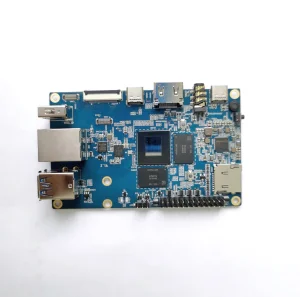
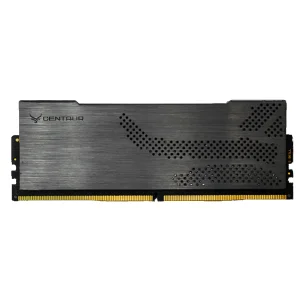
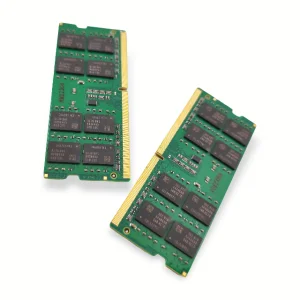
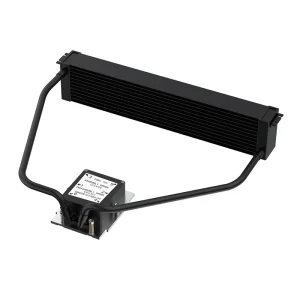
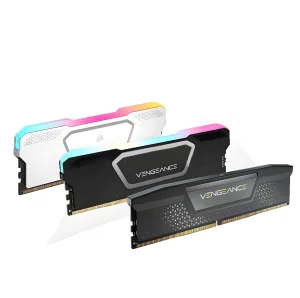
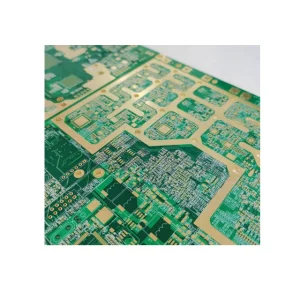
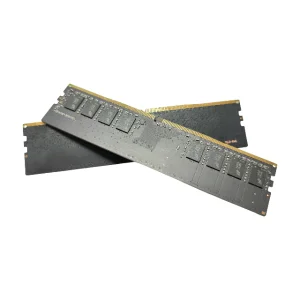
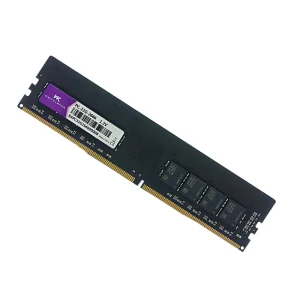
Our product lineup integrates advanced nano-coatings directly at the factory level, ensuring unmatched moisture resistance, anti-corrosion, and optimal thermal management.
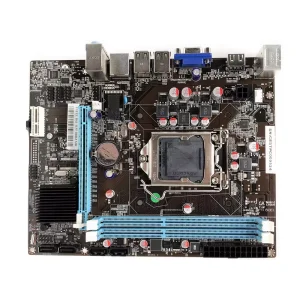
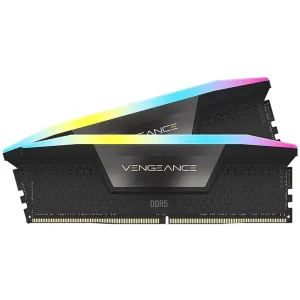
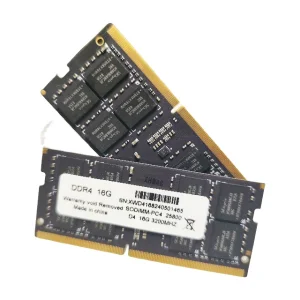
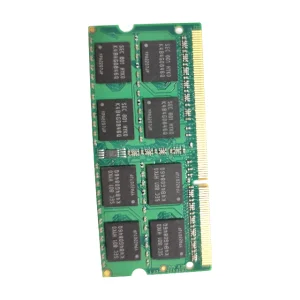
In modern electronic manufacturing, standard conformal coatings (like acrylics or polyurethanes) are hitting their physical limits. As circuit densities increase and operating frequencies push into the gigahertz ranges, standard coatings introduce parasitic capacitance, signal distortion, and insufficient heat dissipation. This has made nano-coating technology the new benchmark for microelectronics safety.
Nano-coatings (varying between 10nm to 2µm in thickness) apply a molecular-level barrier via Chemical Vapor Deposition (CVD) or Advanced Atomic Layer Deposition (ALD). This ultra-thin film forms a hydrophobic, oleophobic, and anti-corrosive network directly over memory IC chips, PCB traces, and passive components without altering electrical resistance or thermal pathways. This is especially vital for DDR5 memory modules and high-speed communications boards where impedance matching is critical.
Globally, manufacturers are transitioning to nano-coating solutions to meet the demanding requirements of edge AI computing, high-frequency telecommunications, and harsh industrial operations. By sealing complex topologies at the molecular level, electronics achieve complete environmental isolation with negligible weight and volume change.
Founded in 2016, Kryntel Memory Technology (China) Co., Ltd. has established itself as an authoritative leader in high-reliability components, leveraging advanced engineering to integrate protection coatings directly into high-speed memory and system architectures.
Standard thick coatings alter dielectric constants, impacting DDR5 and high-frequency PCB signal paths. Kryntel's nano-level coatings ensure impedance remains perfectly constant across fast 6800 MHz data rails.
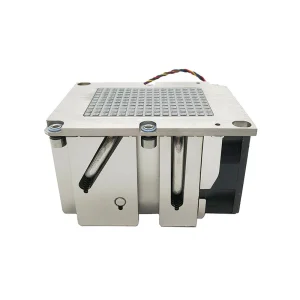
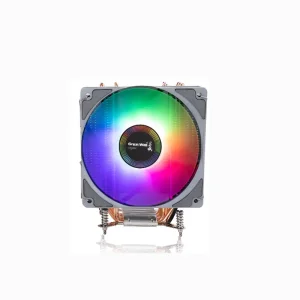
Unlike thick thermal insulators, our nano-engineered layers facilitate high thermal transfer, keeping power-hungry components like LGA3647 or SP5 heatsinks running optimally without thermal traps.
Supported by a specialized team of 42 QA personnel and 160 R&D engineers, Kryntel executes high-temperature aging, compatibility testing, bandwidth stress, and voltage validation on every production run.
Procurement directors and system integrators face severe operational challenges depending on their operating environment. Below is how we map custom industrial requirements to specific hardware solutions.
High-density servers run continuously, exposing RAM and motherboards to dust accumulation and high relative humidity. Our ECC DDR5 modules and custom PCB high-frequency boards feature hydrophobic nano-coatings that prevent sulfurization and short-circuits, drastically reducing data center downtime.
PCBA assemblies are subjected to high thermal shock, salt-fog environments, and mechanical vibration. Standard conformal coatings crack, while our sub-micron coating formulations adapt flexibly to thermal expansion coefficients (CTE), ensuring long-term structural integrity.
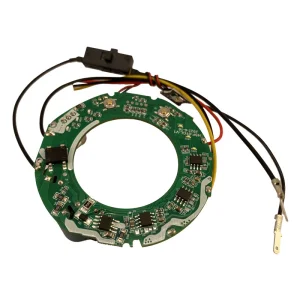
Smart devices, high-speed blowers, and portable systems demand water protection (IPX7/8) without increasing device dimensions. Our nano-coating processing technology ensures that high-speed PCBA control boards remain perfectly protected within compact housings.
As technology moves towards higher integration, nano-coatings must adapt. Our engineering team is currently developing next-generation solutions scheduled for deployment over the next three years.
Integrating functionalized graphene nanoplatelets into our standard hydrophobic coatings. This hybrid formulation not only blocks moisture molecules but also provides an alternative lateral heat dissipation path, reducing component hotspots by up to 8°C.
Developing micro-encapsulated polymers capable of releasing healing agents under localized thermal or mechanical stress. This ensures micro-cracks on PCBs repair themselves during high-load processing phases, enhancing product lifetime in remote installations.
Creating molecular deposition barriers optimized specifically for Sub-6GHz and Millimeter-Wave layouts. This guarantees ultra-low dissipation factors, making it perfect for 5G/6G communication equipment and advanced server infrastructure.
We operate under a strict quality management system to ensure that every DDR5 module, high-speed PCBA, and heat dissipation component meets global supply chain expectations.
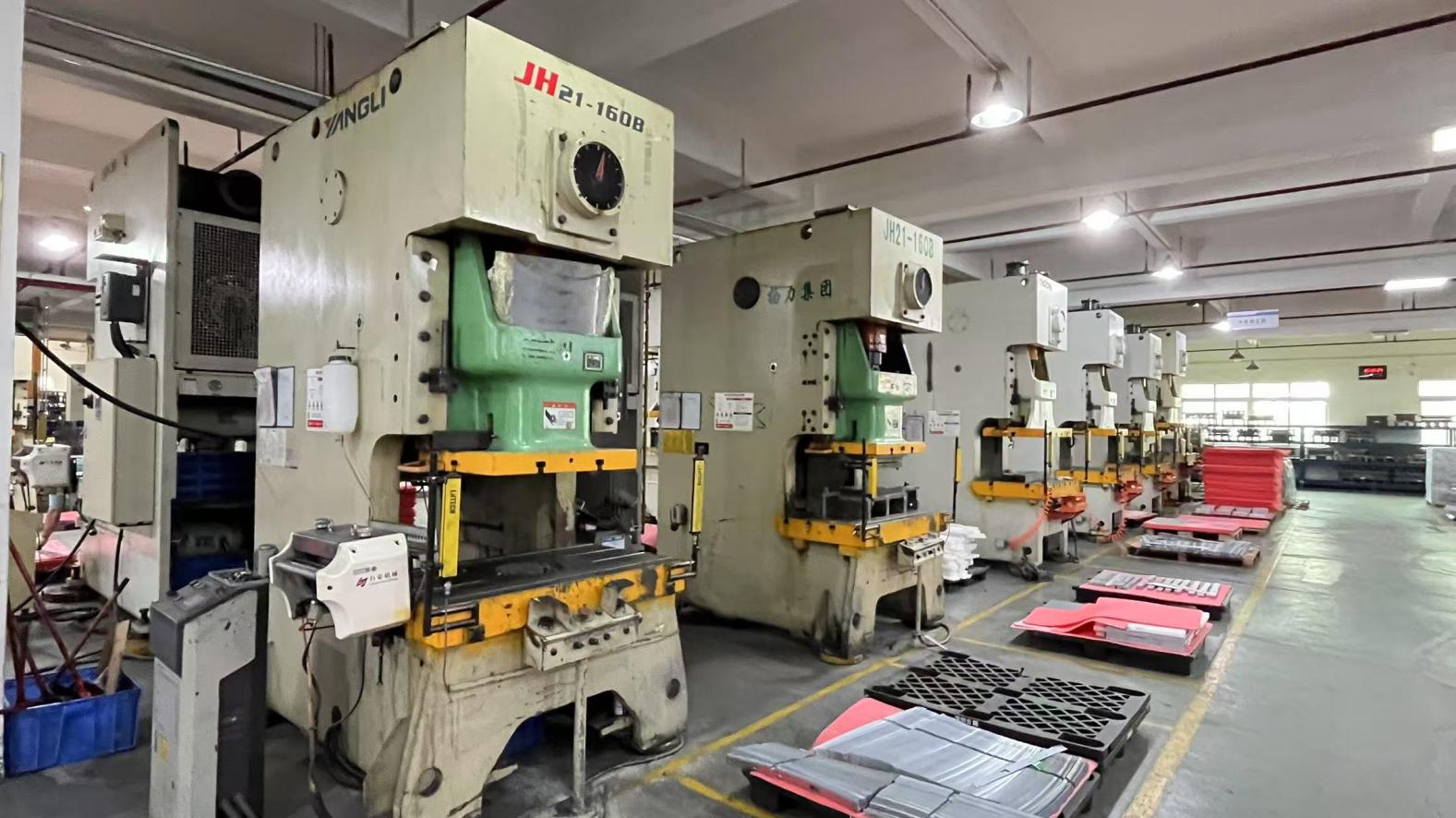
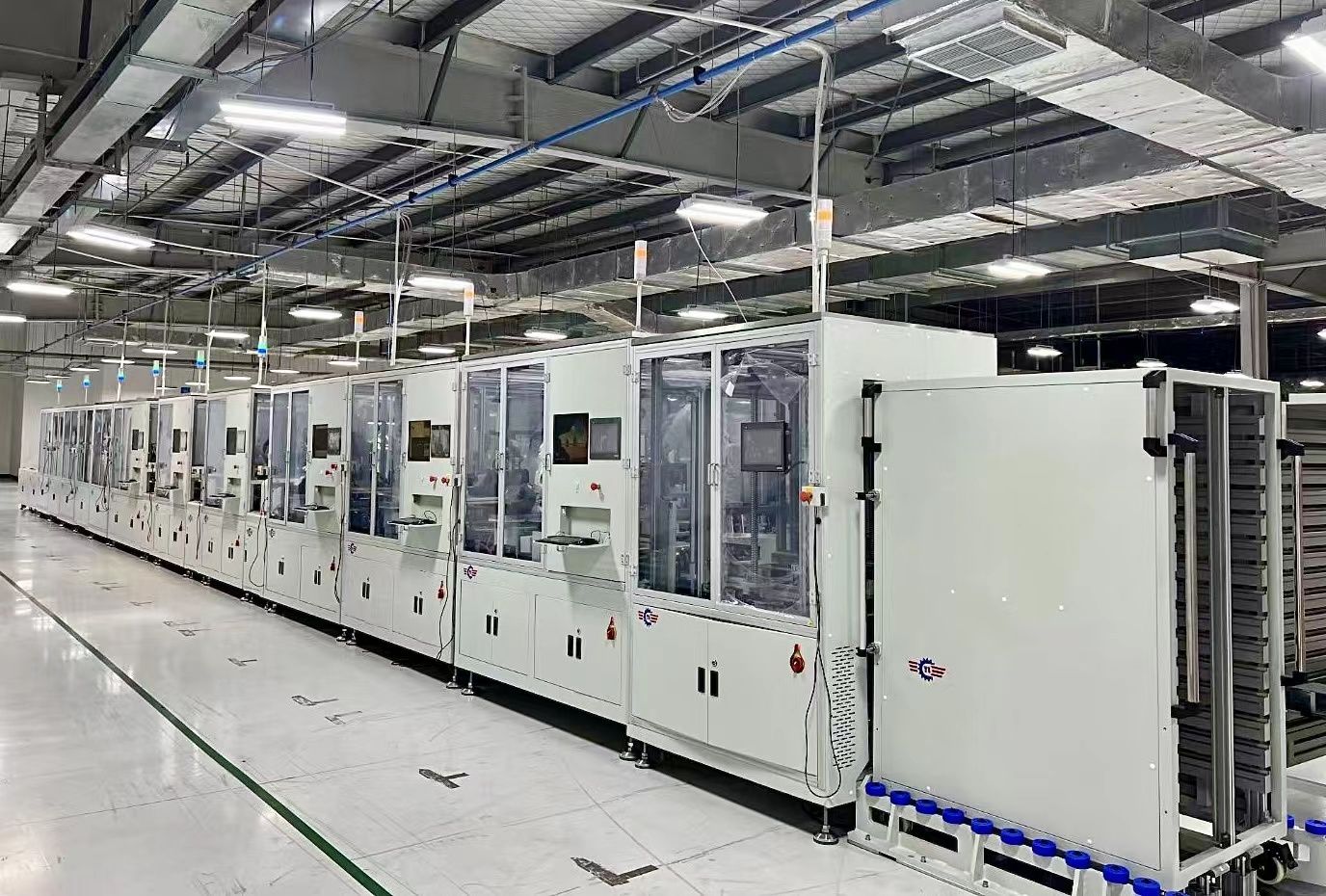
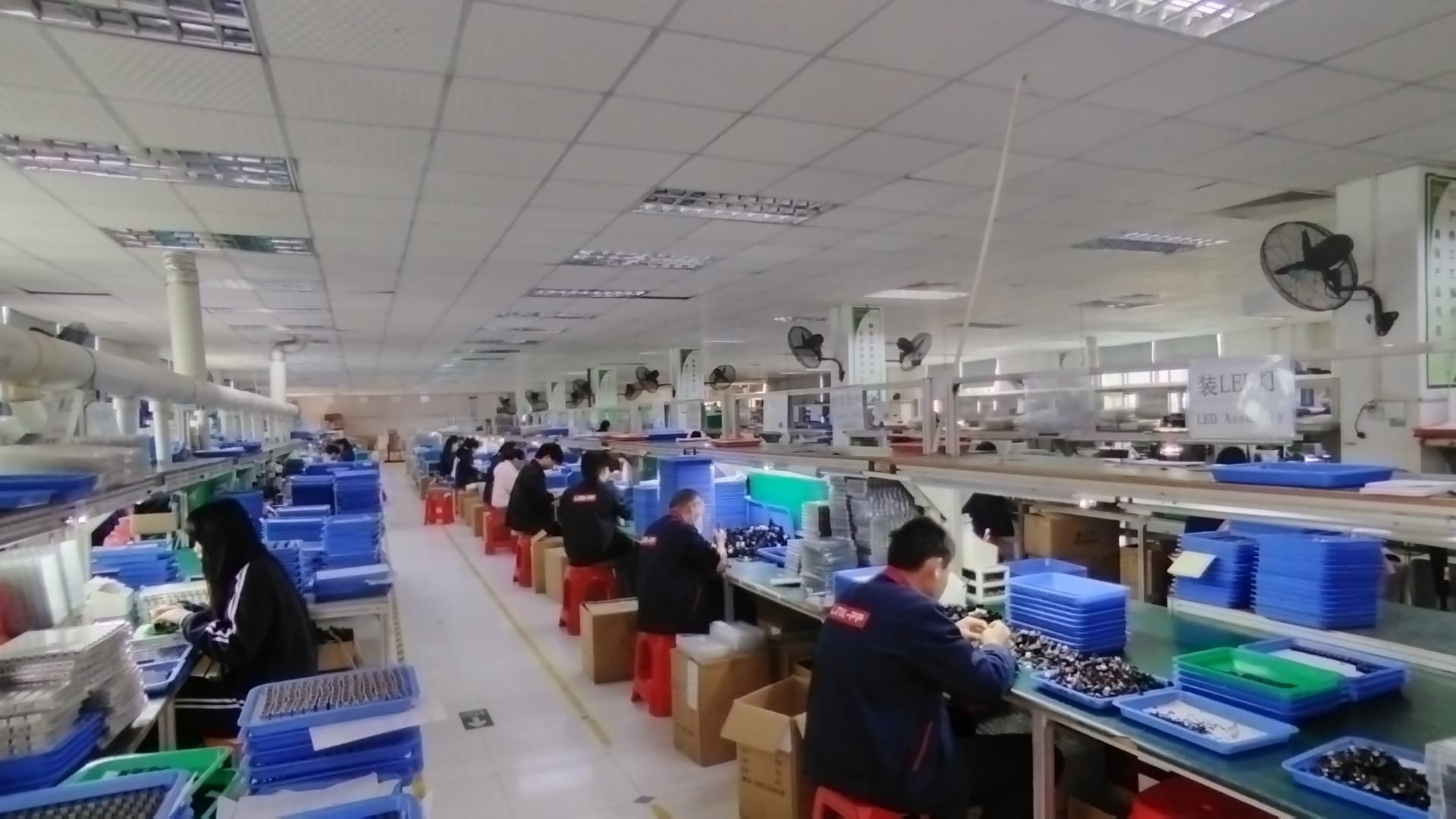
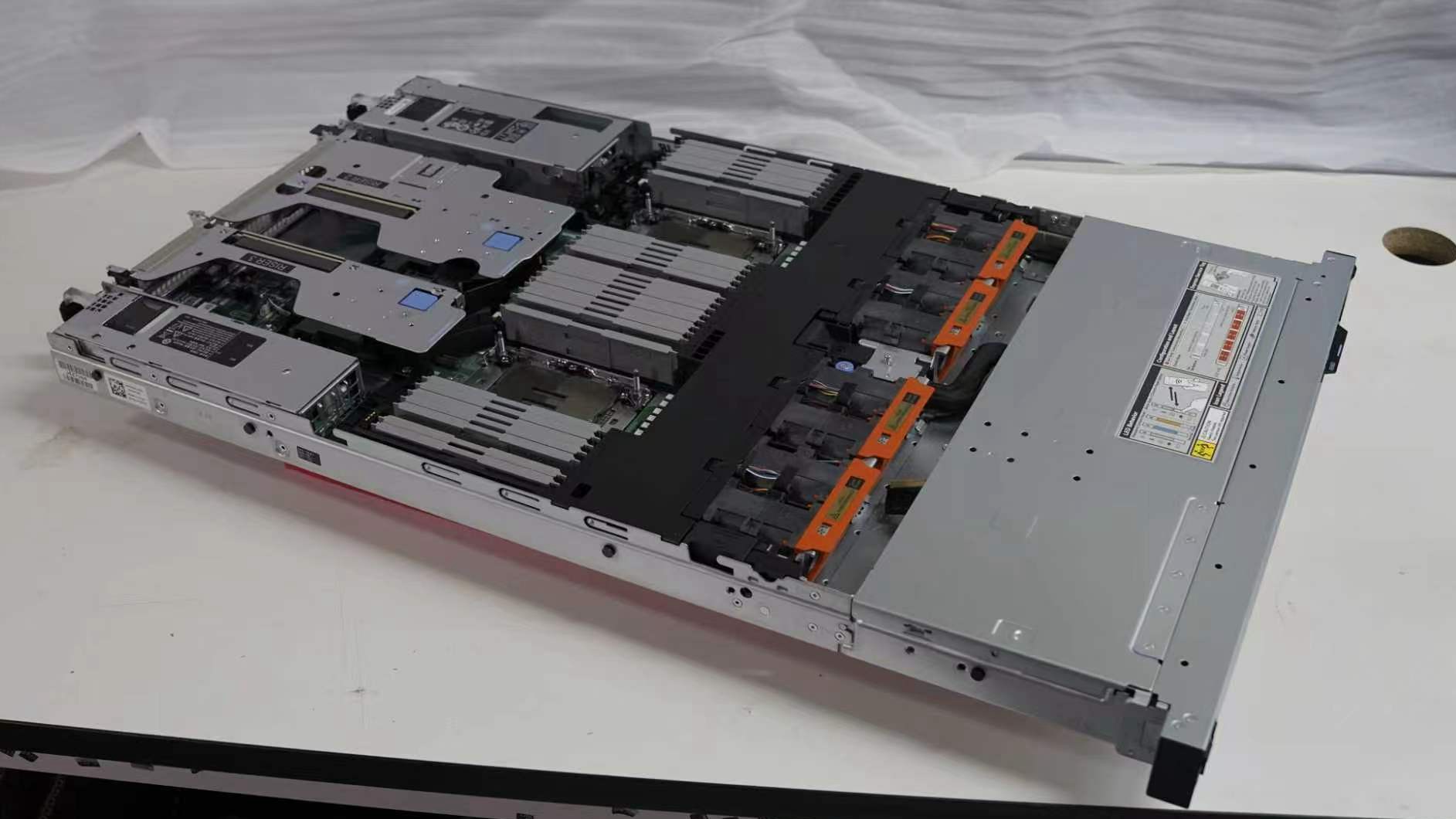
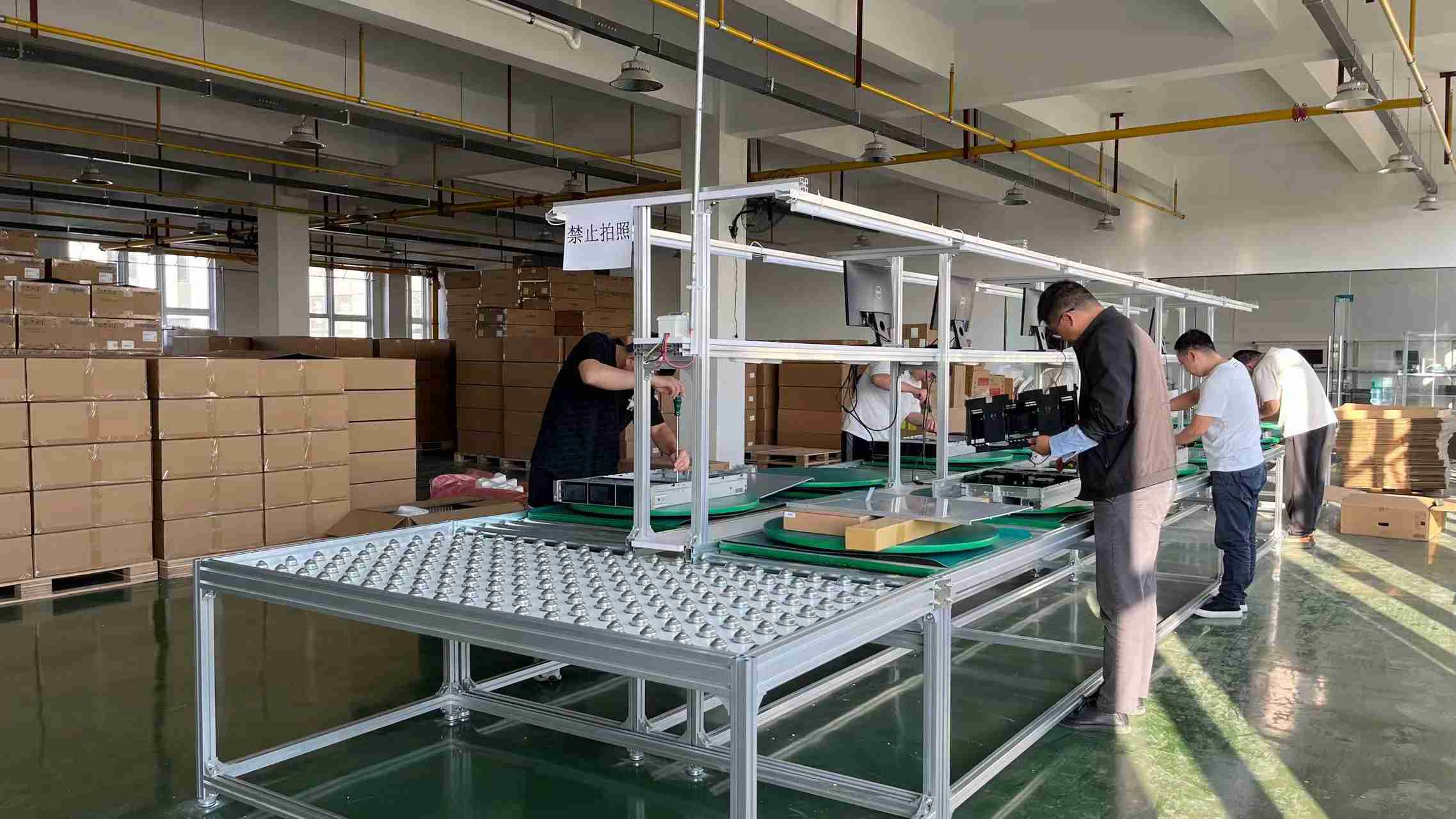
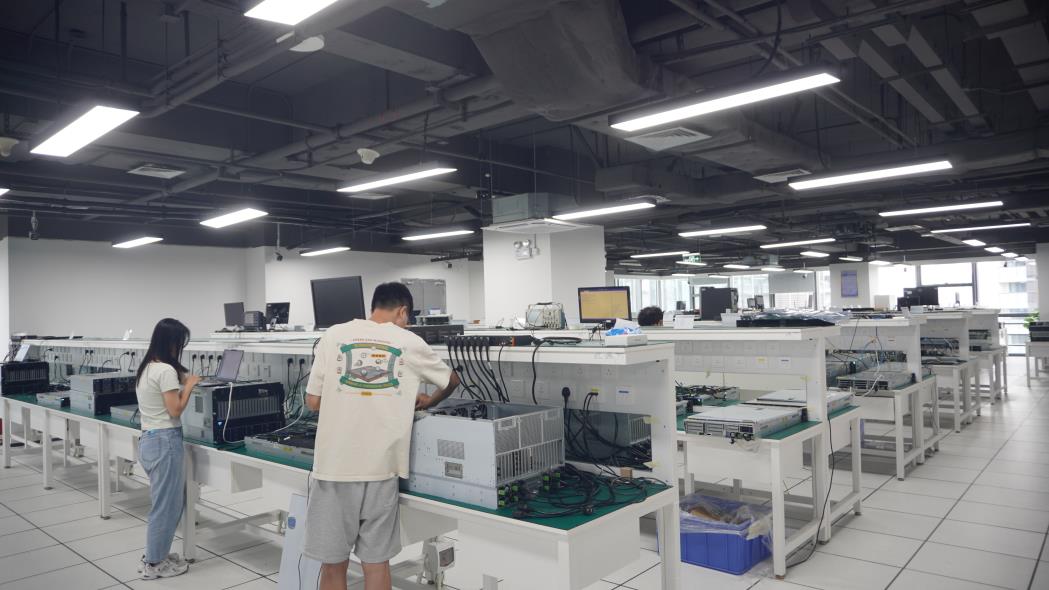
Our manufacturing and coating processes strictly adhere to international environmental and safety protocols, including RoHS, REACH, CE, and FCC. We verify that all components are lead-free and do not release hazardous volatile organic compounds (VOCs) during high-temperature execution.
By coordinating with more than 1,200 upstream raw material suppliers and downstream logistics networks, we secure stable access to tier-1 DRAM wafers, high-frequency laminates, and professional nano-coating polymers, guaranteeing continuous shipment timelines even during global logistics constraints.
Providing authoritative insights on nano-coatings for electronics, quality control standards, and procurement options.
Discover our comprehensive collection of server cooling, specialized high-frequency PCBs, and extreme-durability memory hardware built to perform under pressure.
 Kryntel