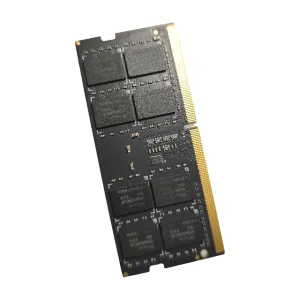
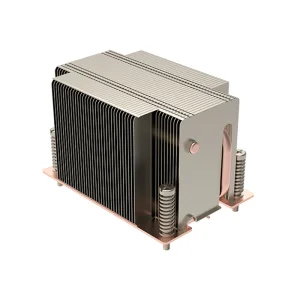
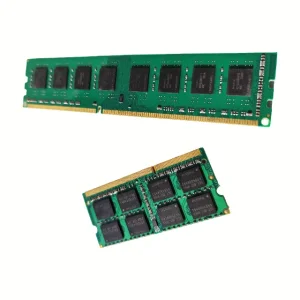
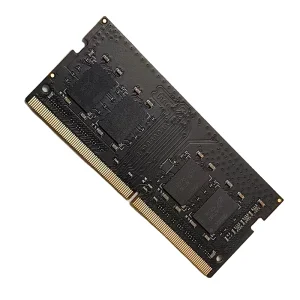
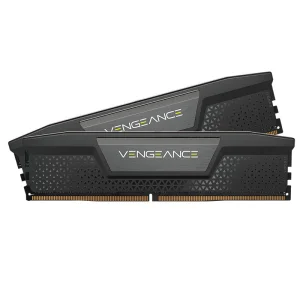
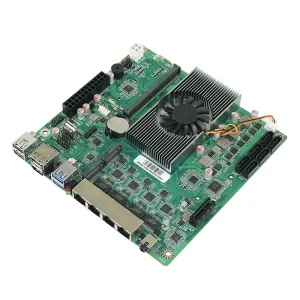
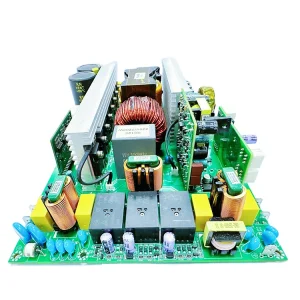
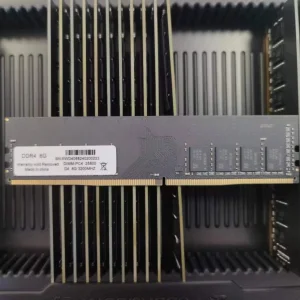
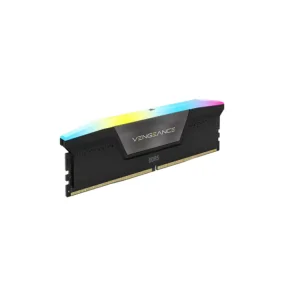
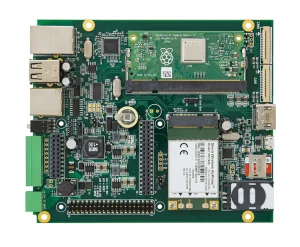
Explore our robust components designed to power high-frequency control, reliable memory systems, and optimal thermal management for industrial electronics.
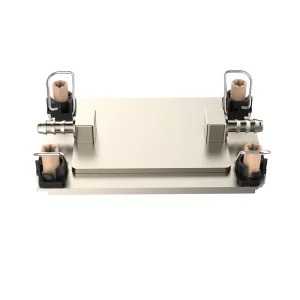
Founded in 2016, Kryntel Memory Technology (China) Co., Ltd. is a leading-edge high-performance hardware and industrial PCBA designer. Leveraging our robust semiconductor packaging capabilities, high-frequency signal optimization, and state-of-the-art thermal engineering, we design and manufacture high-efficiency electronic subsystems, motherboard circuitry, and advanced industrial control modules for clients worldwide. With our deep-rooted expertise in multi-layer PCB design, SMT processing, and system heat management (supporting up to 400W TDP liquid cooling units), we supply critical electronic controllers and advanced assemblies that act as the structural backbone for UVC Disinfection Modules, enabling intelligent IoT tracking, custom frequency driver tuning, and unparalleled product lifespans.
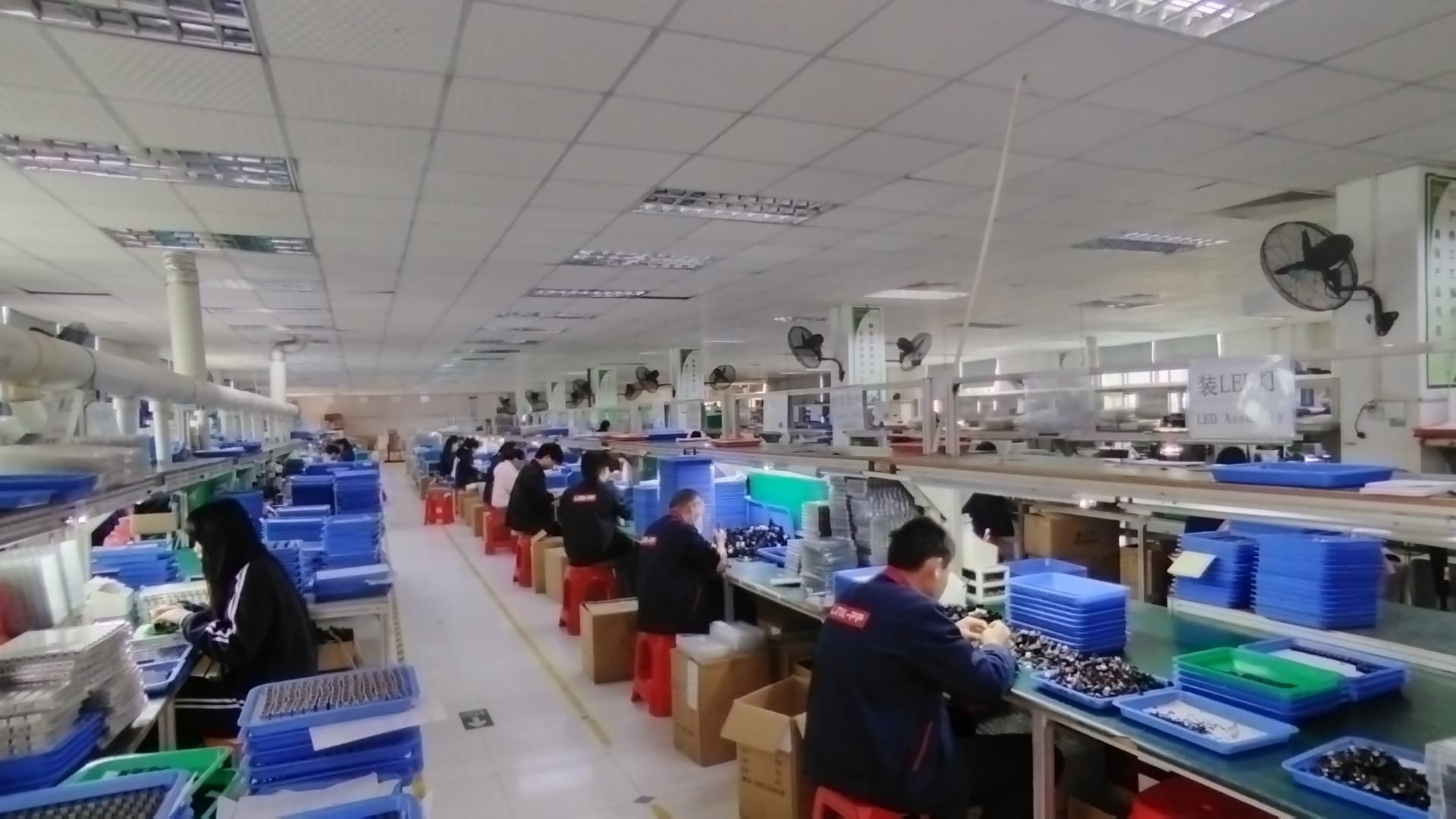
Our modern manufacturing facility covers approximately 320㎡ of cleanroom environments where we maintain tight quality controls. With 6 years of direct export capabilities and 9 years of overall semiconductor manufacturing experience, Kryntel has built dynamic channels supplying high-performance components to markets in North America, Europe, Brazil, the UAE, and Southeast Asia. We support extensive OEM/ODM requirements, optimizing everything from layout parameters to structural heat dissipation modules.
An analysis of solid-state disinfection wavelengths, thermal dynamics, and control driver architecture required for industrial germicidal systems.
Traditional low-pressure mercury lamps are rapidly being replaced by solid-state AlGaN (Aluminum Gallium Nitride) semiconductor chips. Our design architecture targets the germicidal absorption curve peak between 260nm to 280nm, with a sharp focus on 265nm and 275nm configurations. This ensures maximum DNA/RNA absorption of pathogens, breaking their nucleic acid molecular bonds and preventing replication. Furthermore, we are investing R&D resources into next-generation Far-UVC 222nm technology, utilizing band-pass filters to achieve skin-and-eye-safe human-safe disinfection modules for public settings.
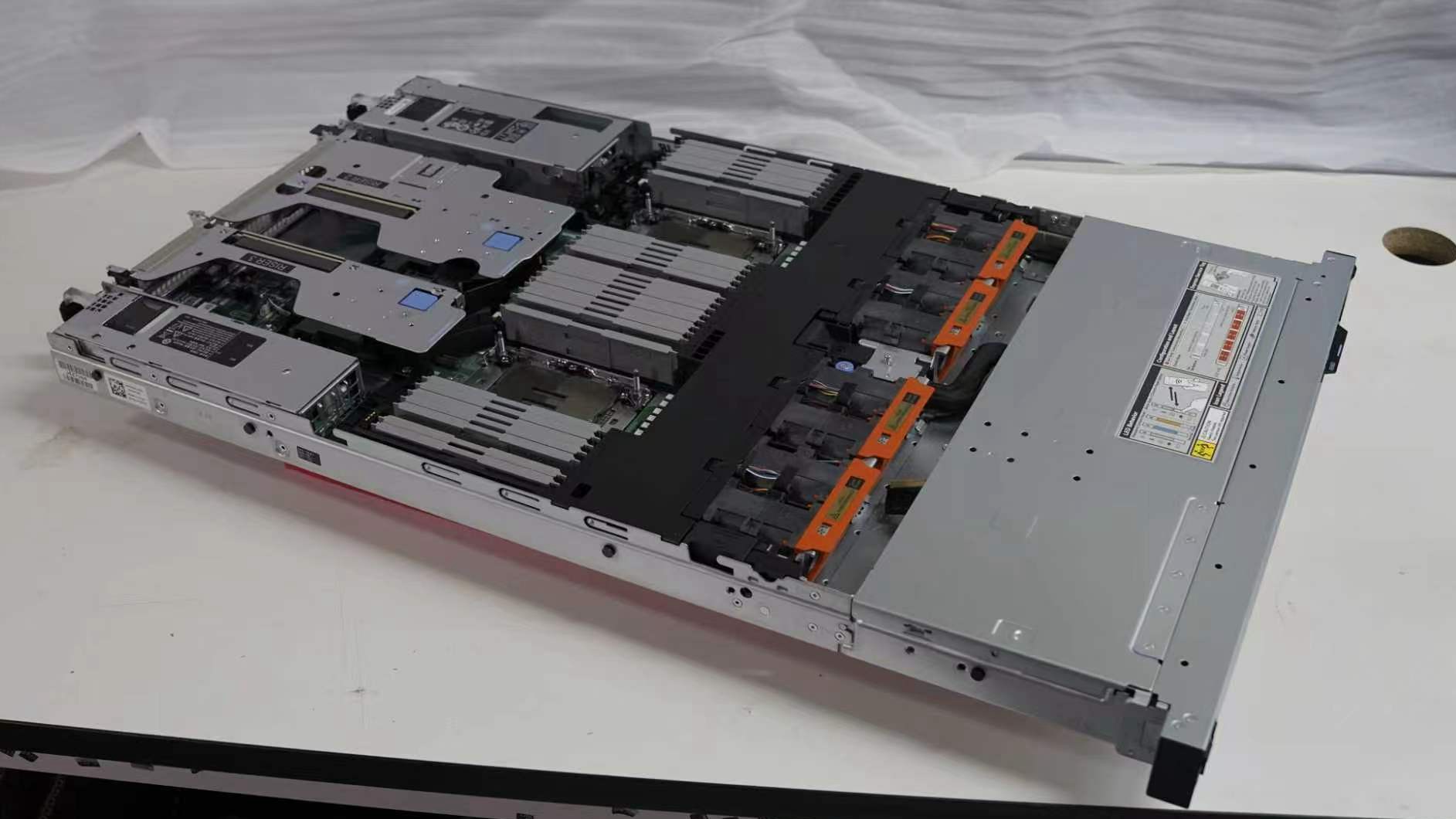
UVC LEDs convert less than 5-10% of electrical energy into optical radiation; the remaining 90%+ is dissipated as thermal energy. If the junction temperature exceeds thresholds, the optical output degrades and the chip lifespan drops significantly. Leveraging Kryntel’s experience in high-TDP server cooling blocks and customized aluminum/copper heat pipes, we integrate metal core PCBs (MCPCBs) with high thermal conductivity (>2.0 W/mK or copper core substrates >400 W/mK) paired with advanced thermal interface materials (TIM). This keeps the junction temperature below 60°C, assuring a stable L70 operating lifetime exceeding 20,000 hours.
To prevent current-hogging and thermal runaway, our custom driver circuits utilize constant current topologies with integrated PWM dimming and temperature sensors. These multi-layer PCBA assemblies feature microcontrollers (MCUs) that monitor real-time operating metrics, adjust voltage offsets, and support digital communication protocols such as I2C, Modbus, or UART. This allows system integrators to monitor the operating hours, current spikes, and overall module health, ensuring the sterilization cycle delivers the exact calculated UV dose (mJ/cm²) required for pathogen neutralization.
Tailoring modular ultraviolet systems to satisfy mechanical, electrical, and optical needs across diversified sectors.
In commercial buildings, public transit, and medical facilities, UVC air disinfection modules are integrated into central HVAC ducts or upper-room UVGI fixtures. Airflow velocities require quick sanitization rates. We custom-build high-optical-power arrays with high-density LED arrays on copper-core modules to generate high peak irradiance, destroying airborne microbes (such as Aspergillus niger or viral aerosols) in fractions of a second as the air passes through the high-intensity zone.
For water purifiers, commercial beverage processors, and lab-grade water systems, UVC modules must reside in hermetically sealed, quartz-glass sleeve systems or directly in-line with water pipelines. We design waterproof (IPX8 rated) modules utilizing optical simulation tools (such as trace-pro) to ensure uniform light distribution throughout the liquid column, preventing stagnant microbial zones while protecting the electrical nodes from condensation or moisture entry.
Refrigerators, ice makers, smart toilets, and medical storage cabinets benefit from compact, highly focused UVC modules. Our R&D capabilities enable PCB design optimization, frequency tuning, and custom-molded housings to fit tight product chambers, pairing the sterilization cycle with proximity and door sensors to assure complete compliance with household safety regulations.
Modern automated packaging machinery requires rapid disinfection speeds to match high throughput lines. By utilizing dense chip-on-board (COB) technologies and robust optical arrays, we provide high-irradiance module structures that disinfect plastic containers, foil seals, and container caps on the fly. These modules are optimized for continuous 24/7 industrial duty-cycles.
We recognize that deploying UV-C systems requires navigating strict global regulatory frameworks. Our customized controllers are engineered to comply with global safety standards. Our manufacturing processes support documentation and testing protocols for FCC, CE, RoHS, UL, and EPA registrations. Additionally, our global supply chain partners and experienced export teams provide localized support, clear technical datasheets, and fast replacement lead times to keep your production runs uninterrupted.
By basing our primary operations in China’s premier electronics and semiconductor manufacturing cluster, Kryntel provides deep structural cost savings, advanced fabrication access, and vertical integration. Our long-term cooperation with a global supply chain network of approximately 1,200 upstream and downstream partners ensures a stable sourcing network of high-quality DRAM, chip wafers, LEDs, quartz optics, and metal sub-components.
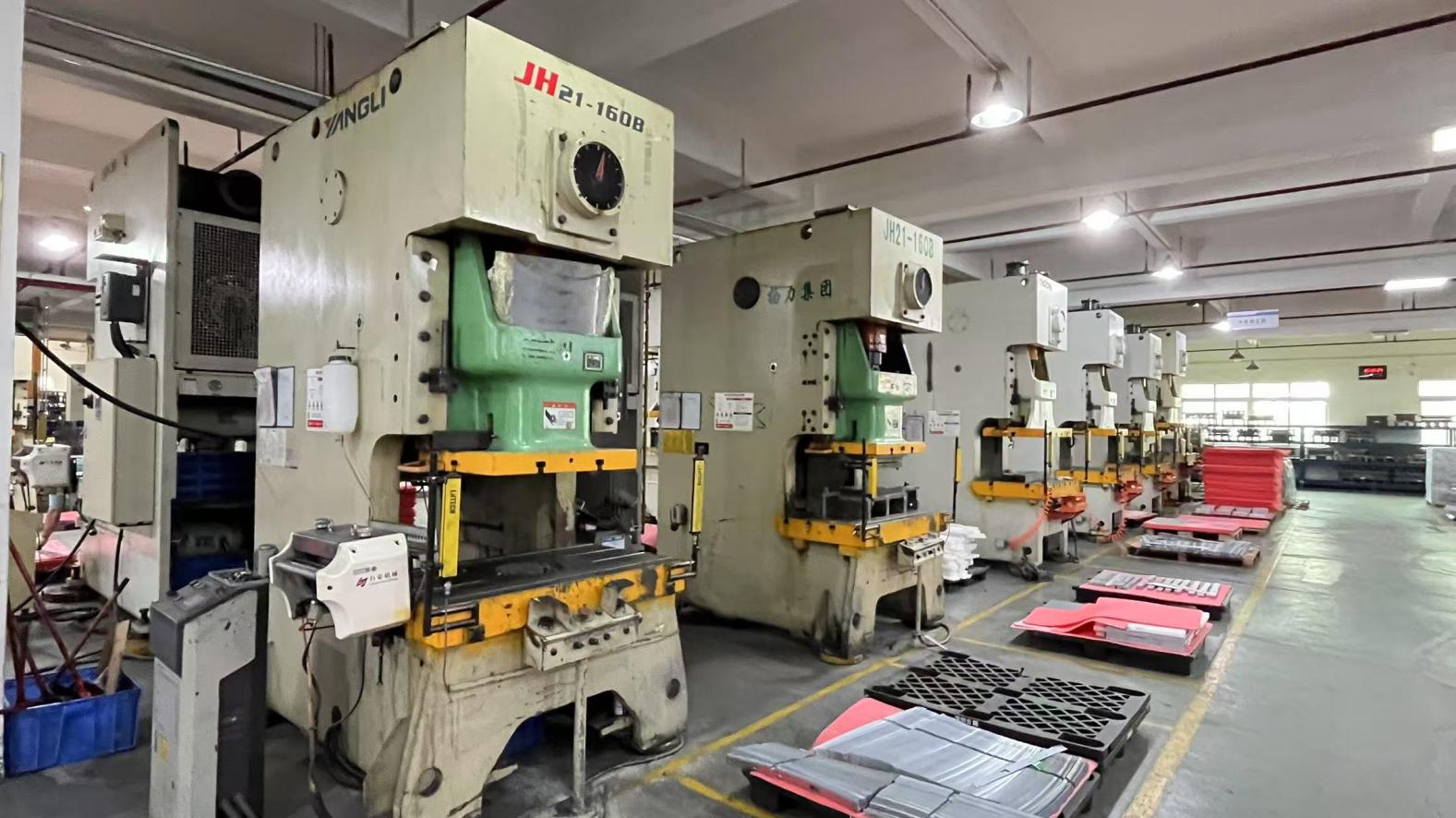
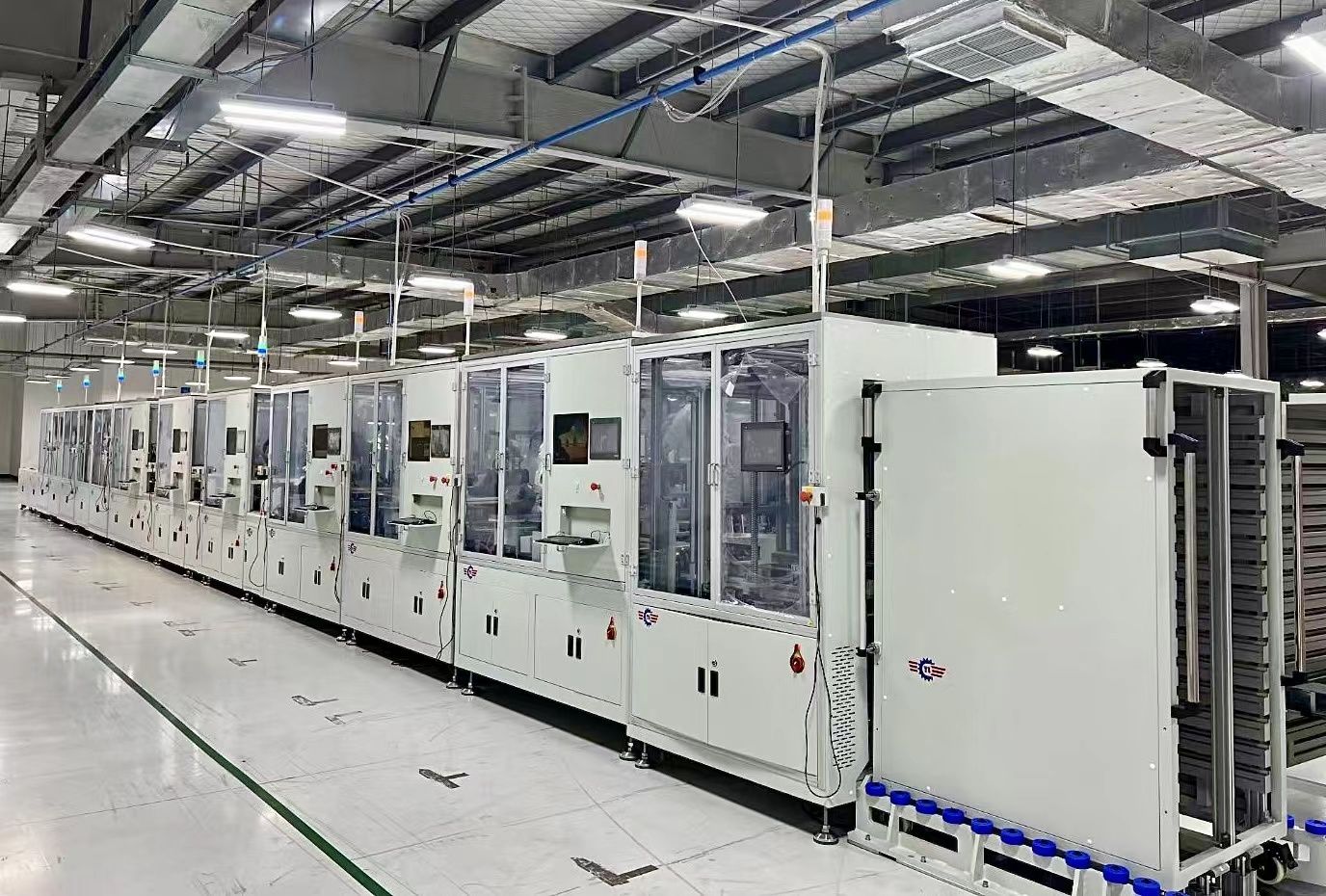
This integrated approach allows us to pivot rapidly from raw component sourcing to custom circuit layouts, high-precision surface mount technology (SMT) placements, automated optical inspections (AOI), and continuous thermal cycling tests. The result is a highly reliable manufacturing line that minimizes production bottlenecks and ensures stable lead times, even amidst changing market demands.
Our multi-stage quality control structure includes incoming material inspection, in-process quality control (IPQC), high-temperature stress tests, and final QA inspection. Each batch of modules is tested for optical output stability, driving voltage fluctuations, and thermal performance to ensure compliance with our zero-defect policy.
Navigating the purchasing challenges of system integrators, tier-1 hardware brands, and industrial suppliers.
Global computer hardware brands, system integrators, distributors, and appliance manufacturers require clear technical specifications, strict supply continuity, and direct technical integration assistance. As an established component manufacturer, Kryntel answers these procurement challenges through our specialized services:
We provide full custom-build options. Our R&D engineering team, consisting of approximately 160 engineers specializing in circuit layout, high-frequency signal integrity, and thermodynamic design, handles complex requirements. We optimize multi-layer PCB design, current tuning, mechanical integration formats, thermal backplates, and customized microcontroller codes to suit your space constraints and operational parameters.
We operate with a dedicated QA team of 42 professionals. We inspect all incoming chips, trace-widths, heat sinks, and passive elements. Every module undergoes active load testing and optical output confirmation before packaging, keeping field failure rates at minimum levels.
In the past year alone, our R&D group launched over 280 new hardware designs across high-speed computing and custom circuit configurations. This active research loop allows us to prototype new designs rapidly, turning initial concept files into working physical samples in short order.
Contact our team to review design specifications, request a physical PCB sample, or schedule a virtual audit of our SMT lines.
Clear, expert-level answers addressing common questions from electrical engineers, product designers, and procurement managers.
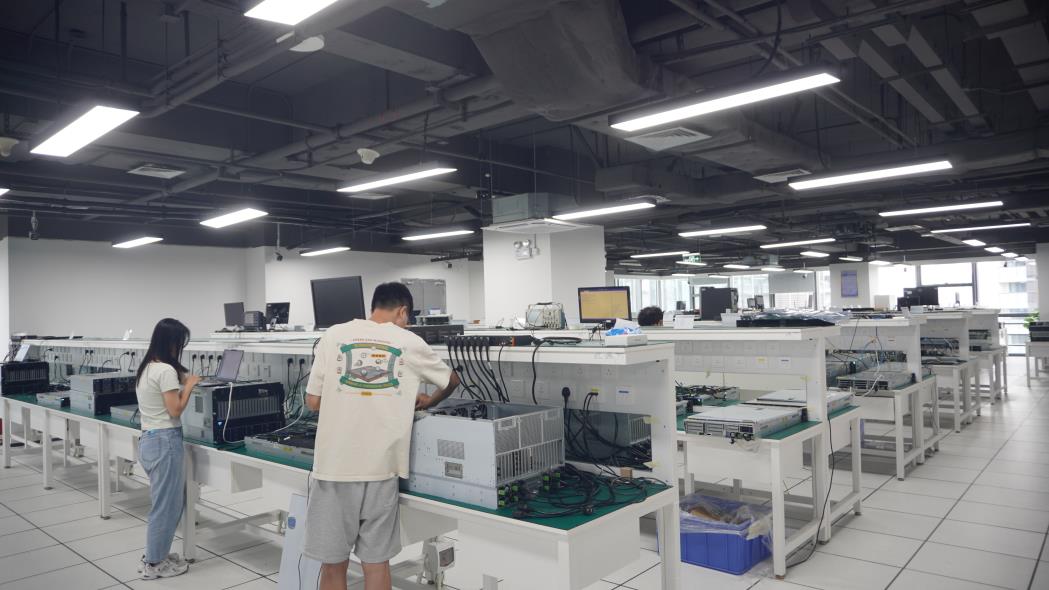
Take a look inside our testing labs, SMT lines, and automated packaging systems.
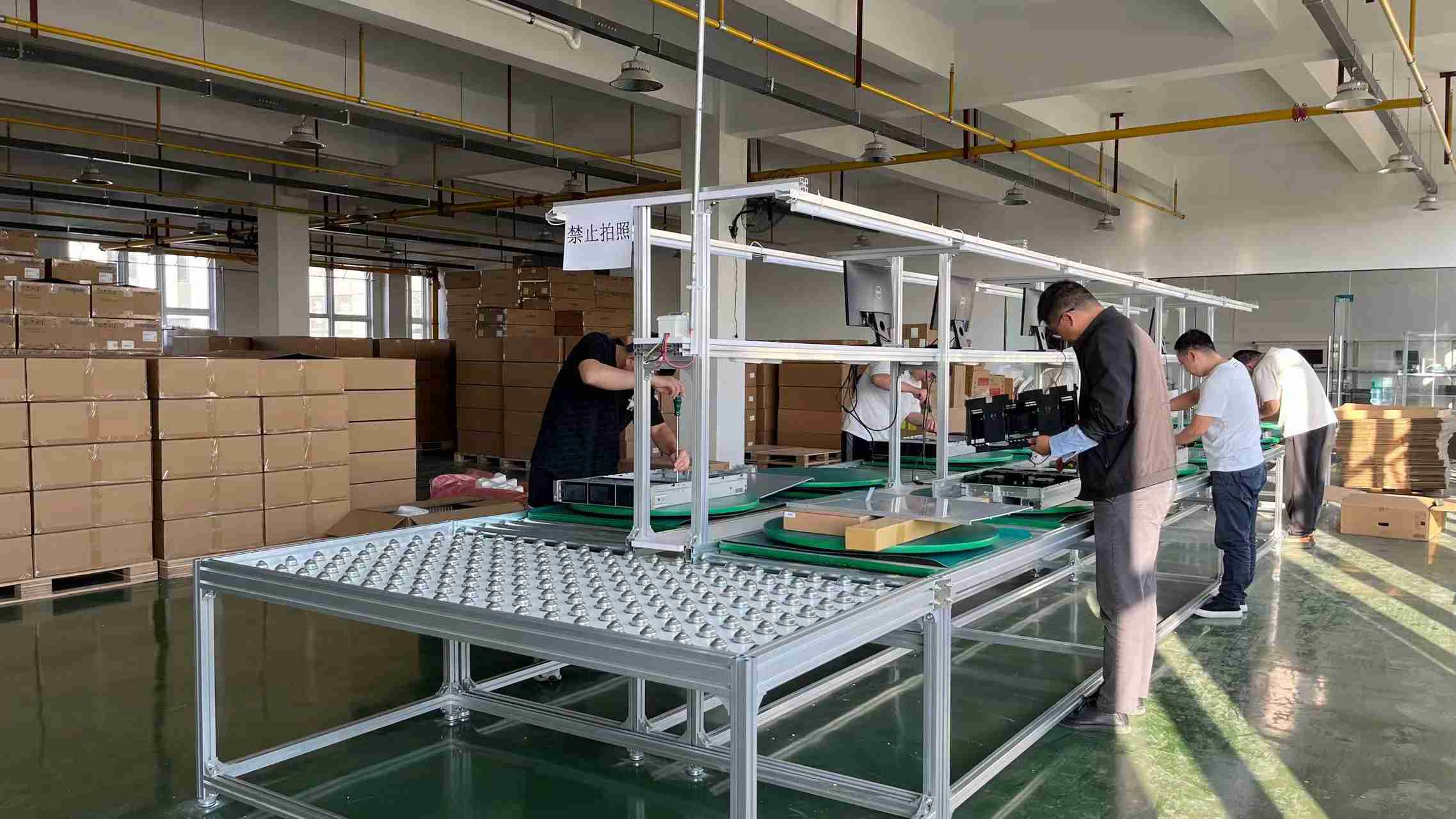
Explore additional memory modules, server cooling solutions, and custom PCBA products engineered to support high-performance industrial applications.
 Kryntel