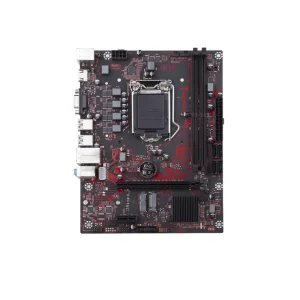
Explore our top-tier computing interfaces, controller motherboards, and server thermal management assemblies engineered for complex industrial automation.
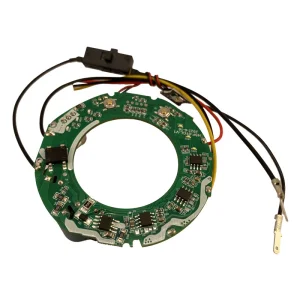
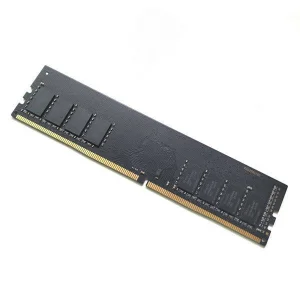
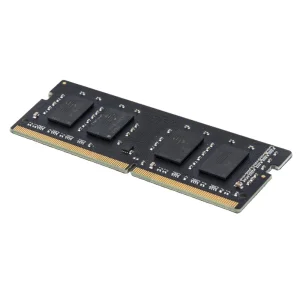
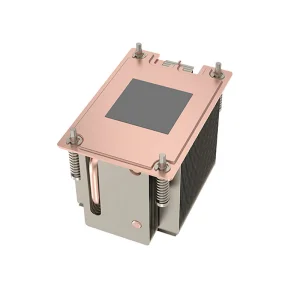
How regulatory compliance, high-frequency signal integrity, and micro-component layout define market adoption.
For smart appliances, enterprise systems, and automotive dashboards targeting the European Economic Area (EEA), Radio Equipment Directive (RED) CE certification is mandatory. It ensures strict adherence to electromagnetic compatibility (EMC), RF power limits, and basic user safety parameters.
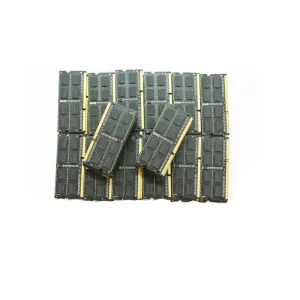
Modern industrial fields utilize the 6 GHz spectrum. Managing RF congestion requires advanced module layout solutions. Multi-band Wi-Fi modules must integrate high-speed DDR4/DDR5 buffering mechanisms to prevent latency spikes during high-throughput wireless operation.
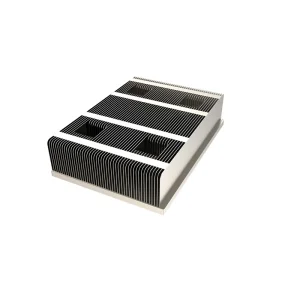
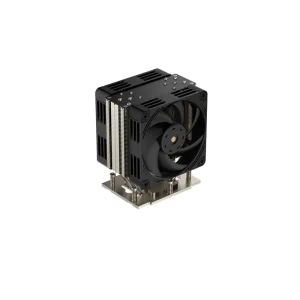
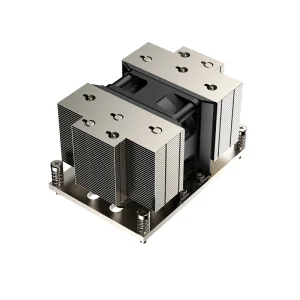
Wireless modules operate under extreme environmental stresses. Our AM5 server-grade aluminum heatsinks and integrated heat spreaders address heat dissipation issues in multi-channel Wi-Fi gateway controllers and high-performance embedded systems.
Executive Insight: Securing a CE-certified Wi-Fi module is not just a regulatory checkmark; it is a guarantee of RF stability, reduced interference profiles, and optimized power allocation. This is essential for manufacturing components intended for integration into critical medical devices, industrial IoT systems, and automated logistics networks.
| Module Category | Supported Protocol | Frequency Band | CE Standards Compliance | Recommended Industrial Use Cases |
|---|---|---|---|---|
| Industrial IoT Transceiver | Wi-Fi 4 / Wi-Fi 5 (802.11ac) | 2.4 GHz / 5.8 GHz | EN 300 328, EN 301 893 | Smart grids, field sensors, and assembly robotics |
| High-Throughput SoC Module | Wi-Fi 6 (802.11ax) | Dual Band Concurrent | EN 300 328, EN 301 489 | Enterprise gateways, IP cameras, edge servers |
| Tri-Band Edge Compute Unit | Wi-Fi 6E / Wi-Fi 7 (802.11be) | 2.4 / 5 / 6 GHz Tri-Band | EN 303 687, EN 62311 | Telemedicine rigs, real-time AI computer vision |
Founded in 2016, Kryntel Memory Technology (China) Co., Ltd. is a professional manufacturer specializing in high-performance memory modules and advanced SMT/PCBA customization for global OEM, ODM, and private label partners. In our modern production facility covering approximately 320㎡, we focus on delivering stable, high-speed, and energy-efficient electronic solutions for gaming, industrial, and server applications.
Over the years, Kryntel has built strong export capabilities, achieving an annual export revenue ranging from USD 8 million to USD 18 million. With 6 years of dedicated export experience and 9 years of overall industry experience in memory and semiconductor-related manufacturing, we support global systems integrators with reliable logistics and compliant regulatory pipelines.
Our quality control system relies on strict multi-stage inspection standards, including incoming material inspection, in-process quality control (IPQC), thermal aging tests, and final product sampling inspection. Testing protocols feature high-temperature aging, compatibility testing with major motherboard platforms, bandwidth stress testing, and voltage stability testing. We maintain a dedicated QA team of 42 professionals to ensure consistent hardware reliability.
We cooperate with a global supply chain network of approximately 1,200 upstream and downstream partners, ensuring stable sourcing of high-quality DRAM chips and key components. Our primary markets include the United States, Germany, India, Brazil, and the UAE, serving computer hardware brands, system integrators, distributors, and e-commerce sellers.
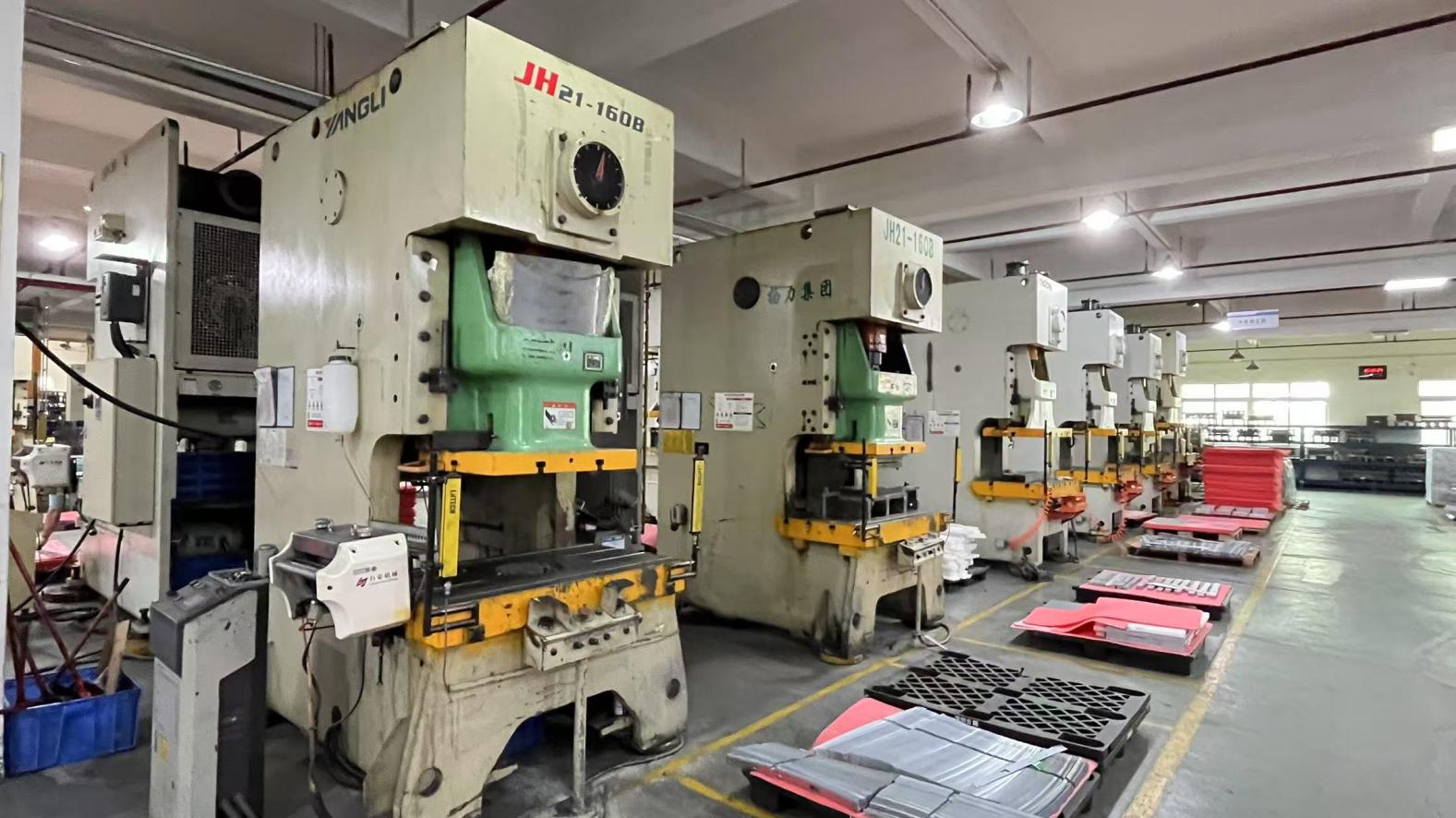
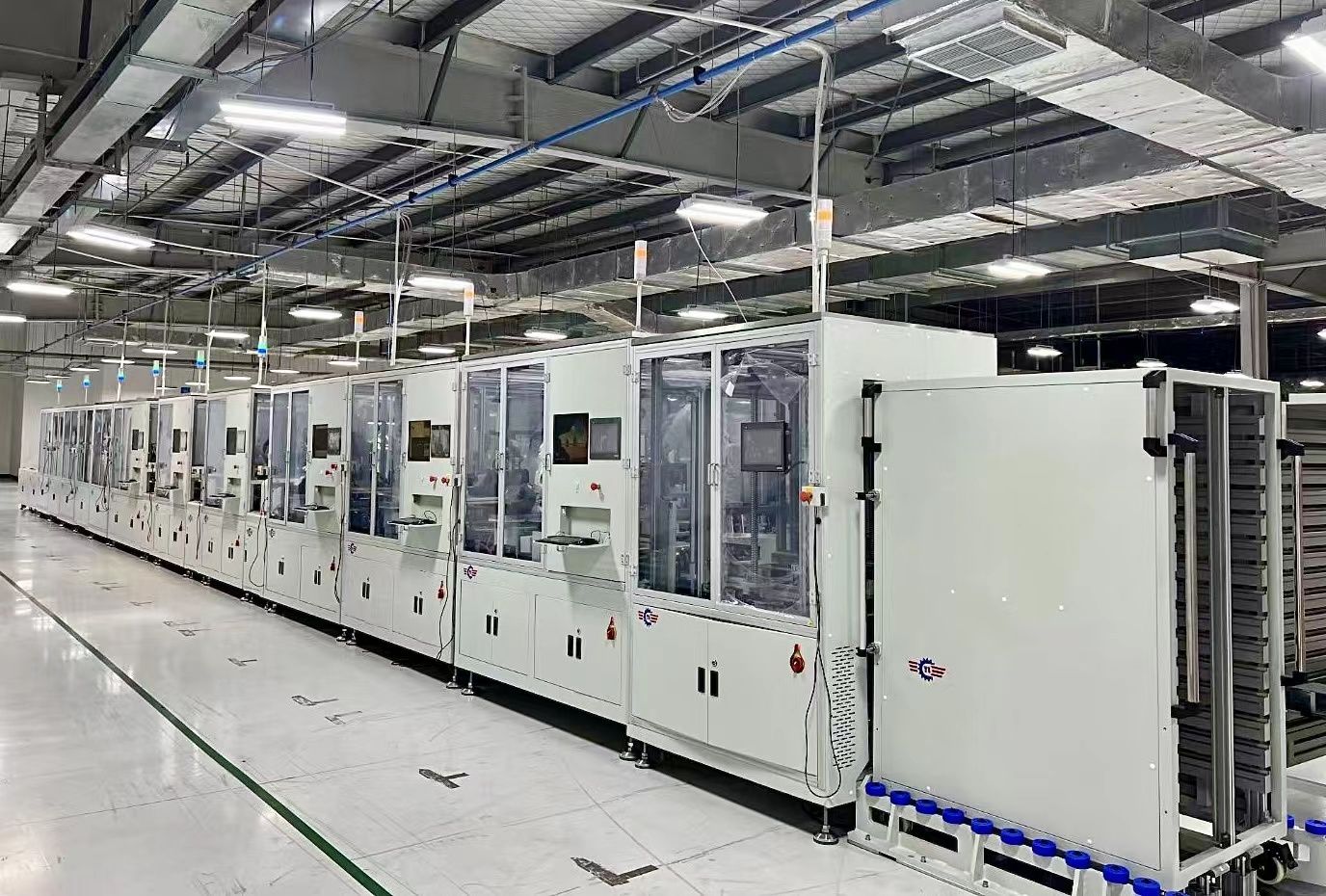
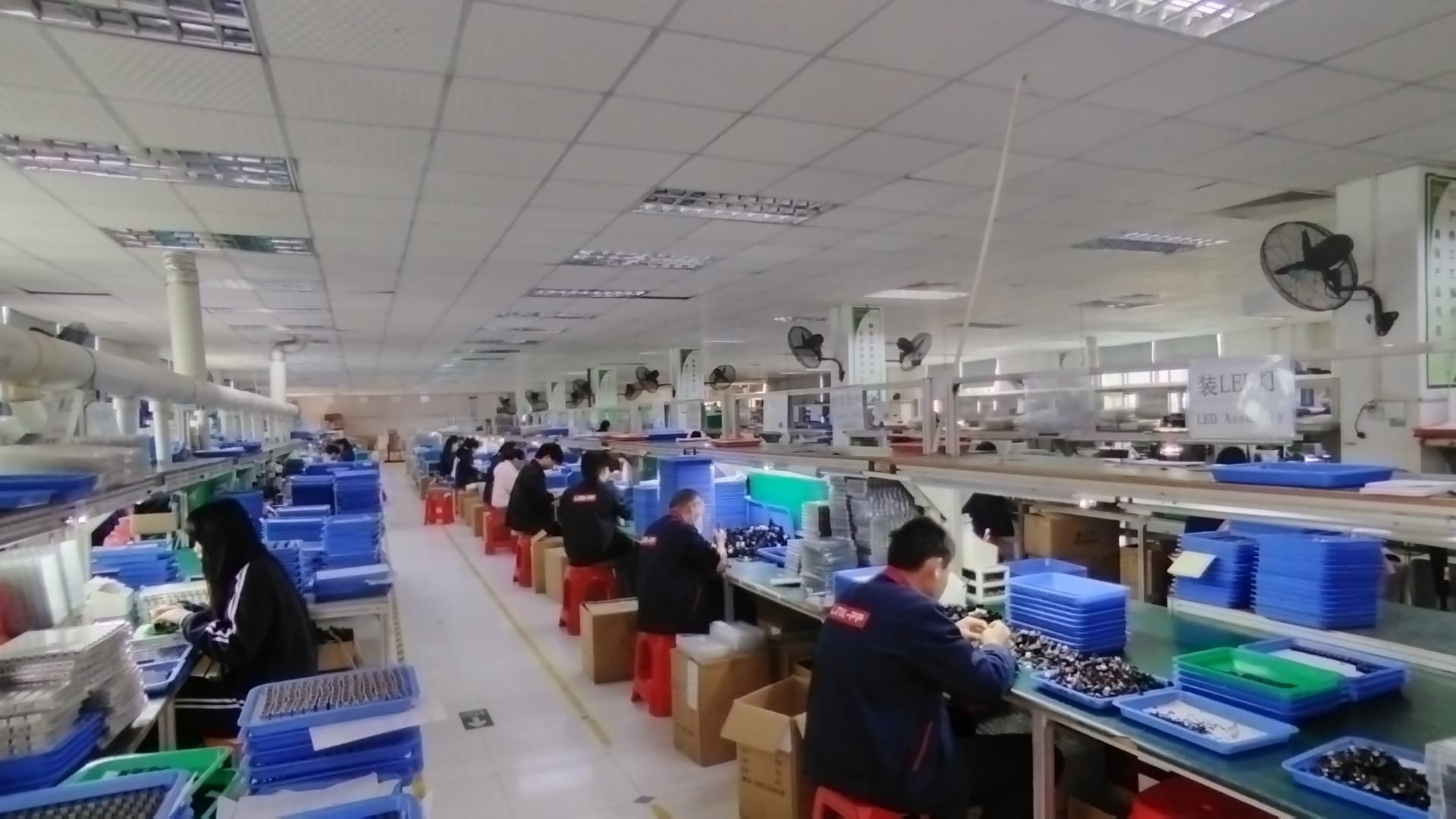
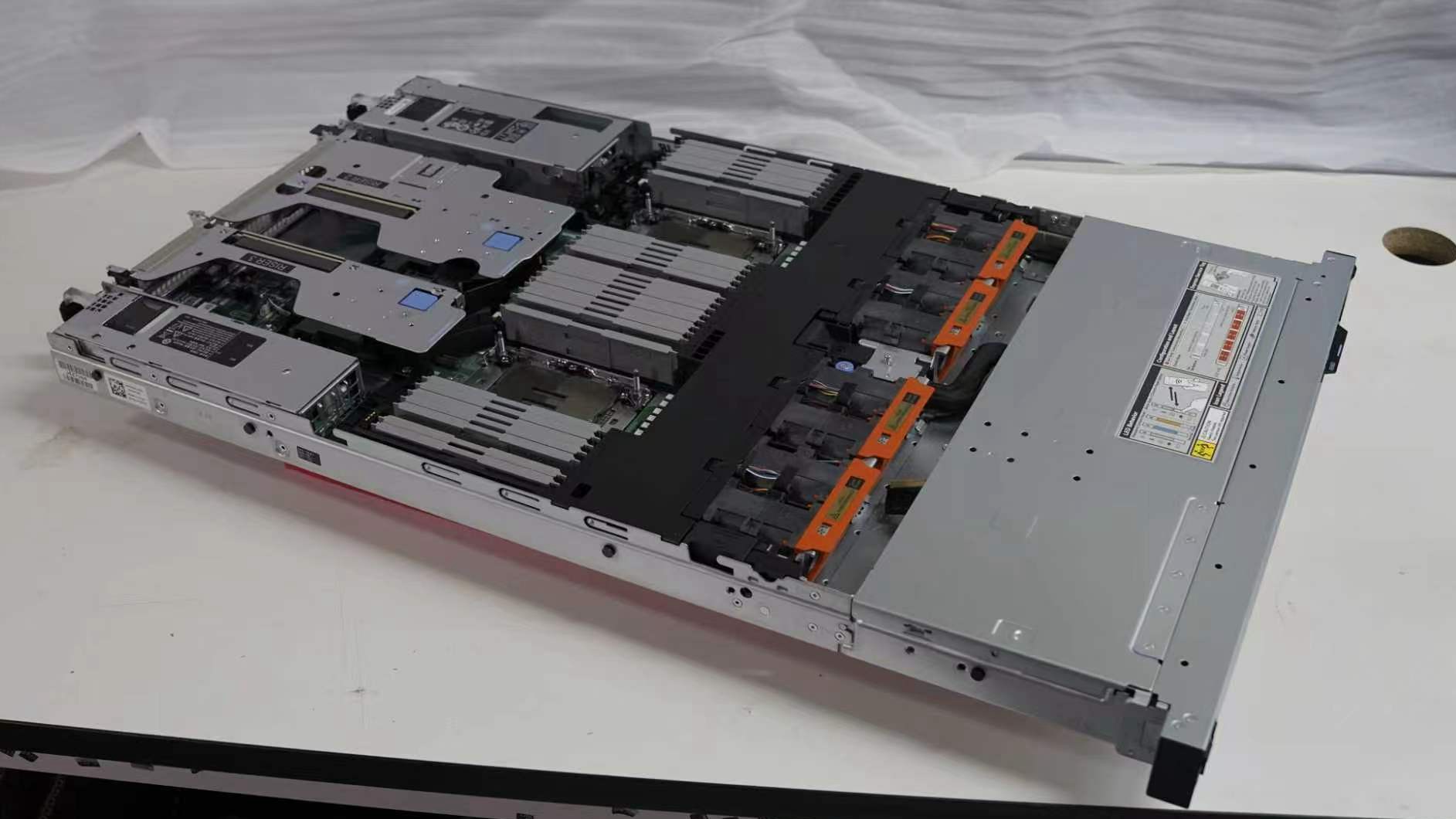
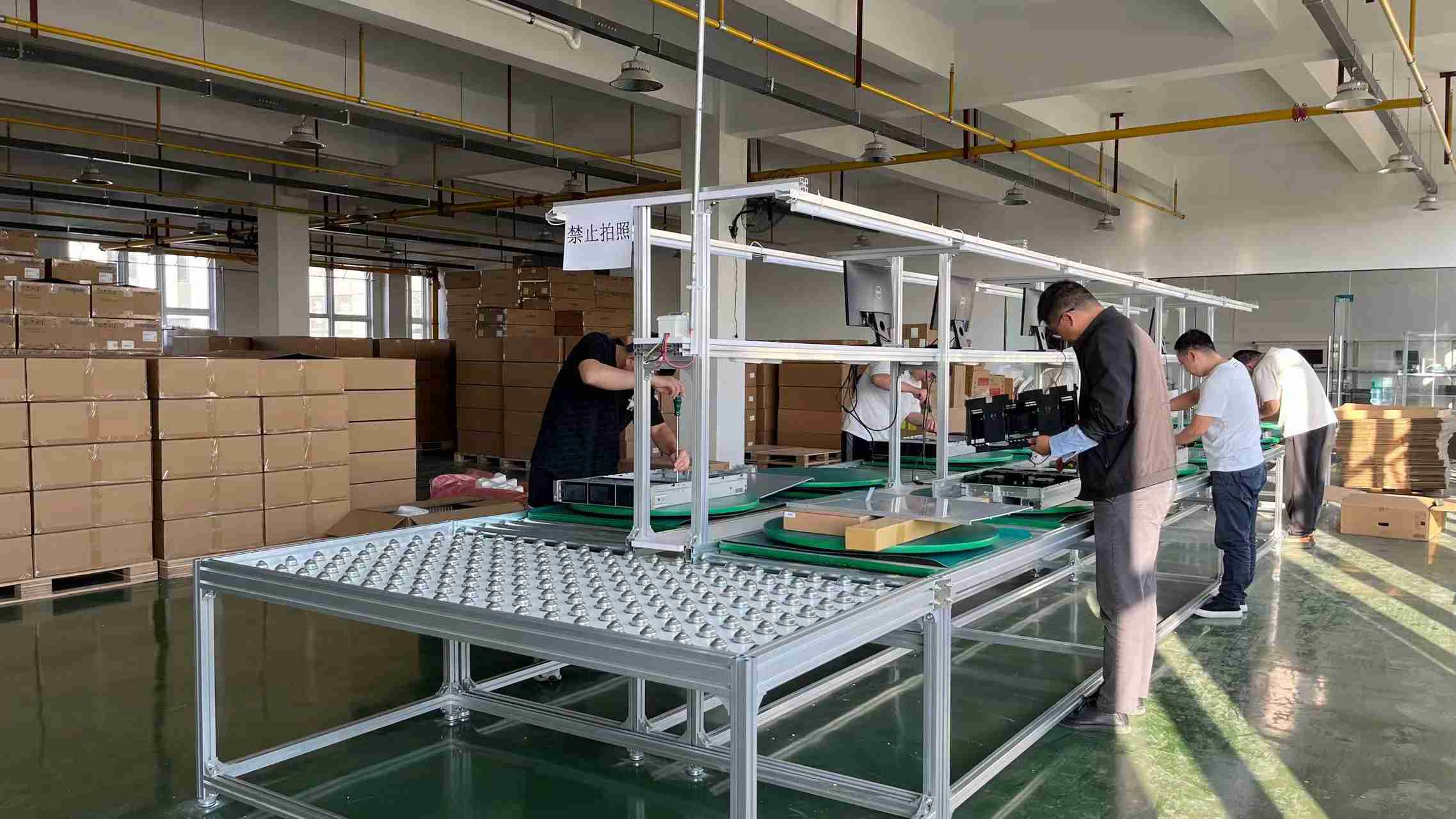
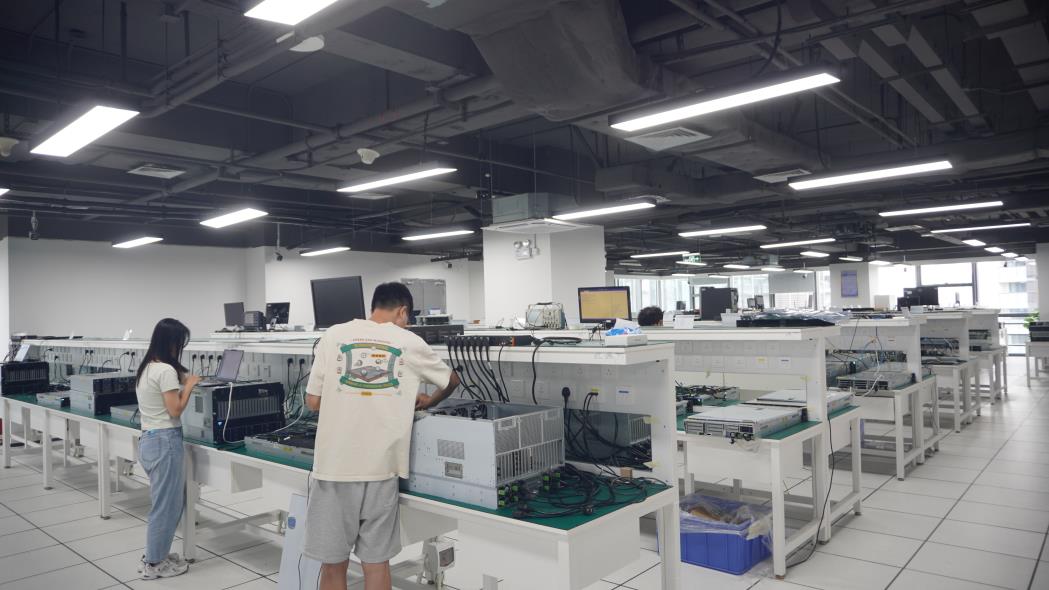
How localized manufacturing ecosystems enable rapid scaling, cost control, and consistent quality.
With immediate access to specialized IC packaging, multi-layer high-Tg PCBs, and copper-shielded cases, lead times are shortened compared to distributed international supply chains.
Our production facilities utilize automated optical inspection (AOI), automated pick-and-place equipment, and multi-zone reflow ovens to produce solder joints and RF shields with minimal defects.
Modules undergo rigorous physical stresses, including high-temperature aging chambers, signal integrity checks, and validation on multi-platform baseboards to ensure stable performance.
Understanding the core layout and manufacturing considerations that distinguish reliable industrial modules.
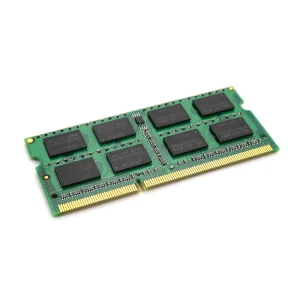
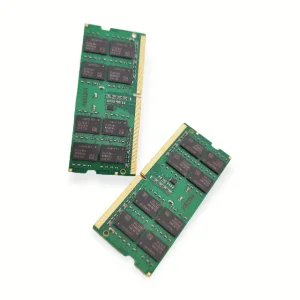
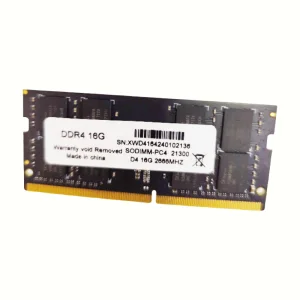
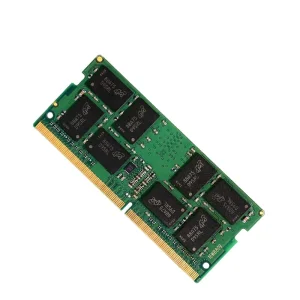
In high-density industrial control electronics, placing a Wi-Fi module adjacent to other computing components, such as high-frequency DDR memory modules (such as DDR4 or DDR5 SODIMM architectures), poses significant signal integrity challenges. Interfacing high-speed lines with wireless transceivers requires deep technical experience in shielding and signal routing.
To qualify for CE certification under EN 301 489, a Wi-Fi module must operate without emitting spurious signals that disrupt nearby devices. Industrial Wi-Fi modules incorporate a dedicated metallic shielding cage covering the main SoC, crystal oscillators, and RF front-end. This shielding isolates high-frequency internal signals, preventing them from interfering with other on-board components like memory chips or CPU power traces.
Designing transmission lines for 2.4 GHz, 5 GHz, or 6 GHz requires maintaining a strict 50-ohm characteristic impedance. The SMT stack-up, dielectric constants of materials like FR4, and trace widths must be calculated using coplanar waveguide formulas. Any deviation can lead to signal reflections, high Voltage Standing Wave Ratios (VSWR), and reduced transmission range.
Get answers to critical technical and regulatory questions about procuring and certifying Wi-Fi modules.
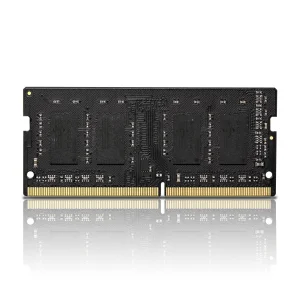
Browse our range of high-frequency DDR RAM and server-grade cooling systems, manufactured to high quality standards.
 Kryntel