Explore our latest high-performance desktop memory, server RAM modules, and integrated processor cooling assemblies optimized for high-intensity server nodes.
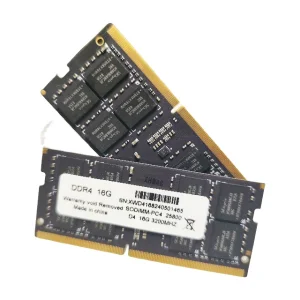
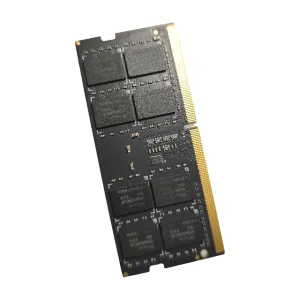
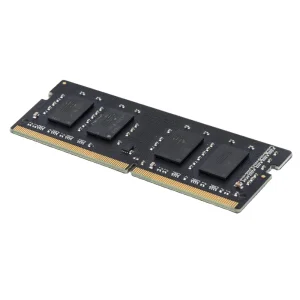
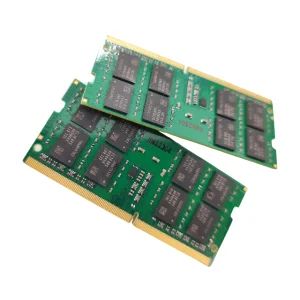
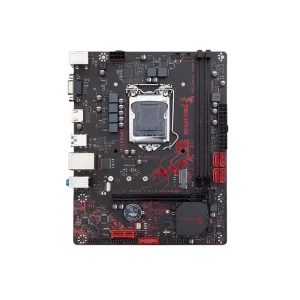
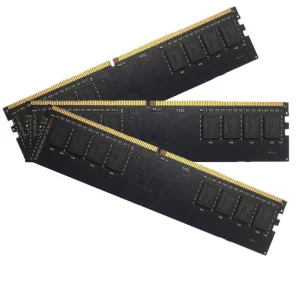
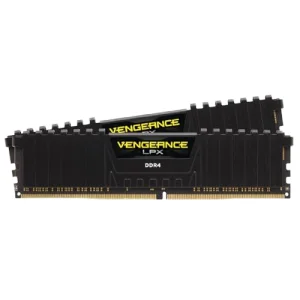
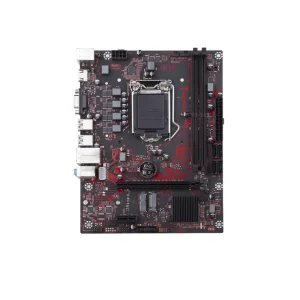
Modern enterprise data centers, virtualization node clusters, and AI-accelerated high-performance computer architectures operate under unprecedented thermal envelopes. As next-generation processors and high-density memory modules push TDP (Thermal Design Power) thresholds past 350W to 500W per socket, traditional air-cooling methodologies are rapidly approaching their physical heat dissipation limits. This demands specialized, CE certified server cooling solutions engineered specifically to maintain structural component stability, avoid thermal throttling, and dramatically lower Power Usage Effectiveness (PUE) metrics.
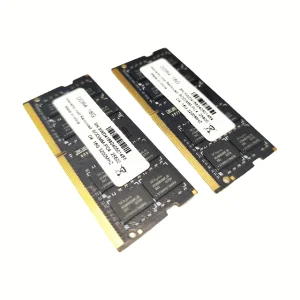
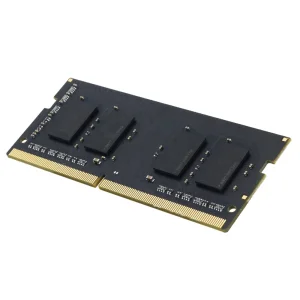
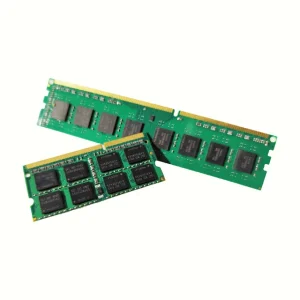
At Kryntel Memory Technology (China) Co., Ltd., we understand that memory and processor stability is deeply intertwined with holistic thermodynamic control. High-speed memory architectures, including DDR4 ECC and high-bandwidth DDR5 arrays operating in enterprise nodes, require stringent active heat dissipation to limit memory bit flipping and maintain signal integrity. From custom heat spreaders to passive high-conductivity copper sink brackets, thermal control is the foundational pillar of modern high-availability infrastructure.
Established in 2016, Kryntel has evolved into an industry-leading specialized DDR5 and DDR4 manufacturer, delivering high-reliability hardware platforms to global OEM, ODM, and enterprise system integrators.
Leveraging a state-of-the-art facility focused on precise semiconductor assembly and packaging customization, our company manages complex electrical and thermal engineering projects. Our annual export revenues range from USD 8 million to USD 18 million, representing solid, long-term partnerships in critical tech markets including the United States, Germany, India, Brazil, and the UAE.
With over 6 years of direct export compliance and 9 years of overall memory infrastructure industry experience, Kryntel manages a highly sophisticated Quality Assurance department of 42 dedicated QA specialists. This team supervises multi-phase testing mechanisms, ensuring that hardware platforms—from motherboards and high-speed PCB assemblies to dedicated heat sink kits—withstand the continuous heat loads common in enterprise systems.
Navigating the trajectory of next-generation server architectures from classic gas-phase heat extraction to advanced liquid-phase thermal containment.
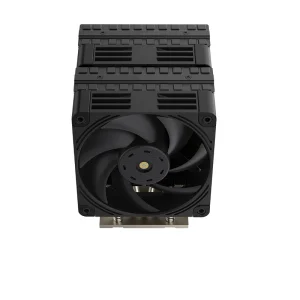
Maximizing the efficiency of copper heat pipe geometries, fin density optimization, and dual-ball bearing fans (e.g., SP3 air-cooled configurations). Engineered for retrofitting traditional rack systems without redesigning floor configurations.
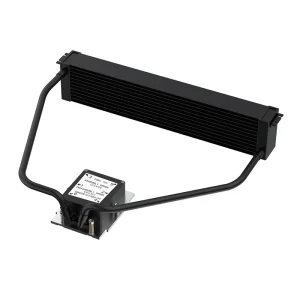
Integrating localized liquid blocks for high-wattage components like CPU and memory micro-heaters (e.g., SP5 2U Integrated Water Cooler). Delivers coolant straight to the thermal source, allowing coolant loops to handle 70%+ of the TDP heat load.
Total submersion of custom-designed, optimized servers inside dielectrically passive liquid solutions. Removes the need for heatsinks entirely, reducing system-level fan noise and minimizing footprint constraints.
Different computational applications run distinct load cycles, which call for tailored architectural configurations. Standard commercial server configurations typically struggle when exposed to the continuous heat of industrial compute nodes or AI LLM training clusters.
Compliance is not just a stamp; it is our structural guarantee of safety, performance, and long-term operating reliability.
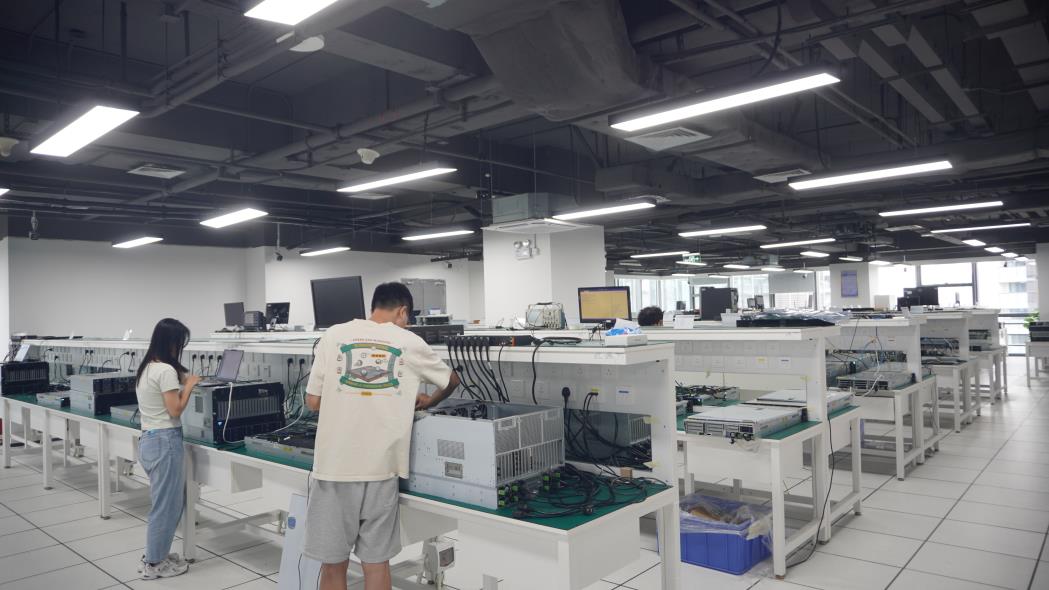
Our server cooling equipment and memory designs strictly follow European CE directives, ensuring electrical safety, electromagnetic compatibility, and structural stability. The testing regimen at our facility consists of:
1. Incoming Material Quality Control (IQC): Inspecting SMT components, raw copper, baseplate flatness, and thermal interface materials (TIM) before production begins.
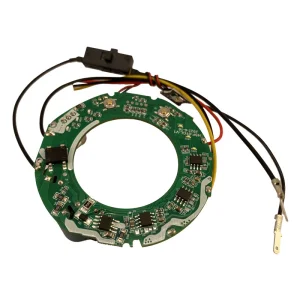
2. In-Process Quality Control (IPQC): Real-time inspection of solder joint integrity on motherboards and PCBA hair-dryer control boards using AOI (Automated Optical Inspection) systems.
3. High-Temperature Environmental Stress Testing (ESS): Aging critical components under real-world thermal envelopes to screen out infant mortality failures before shipment.
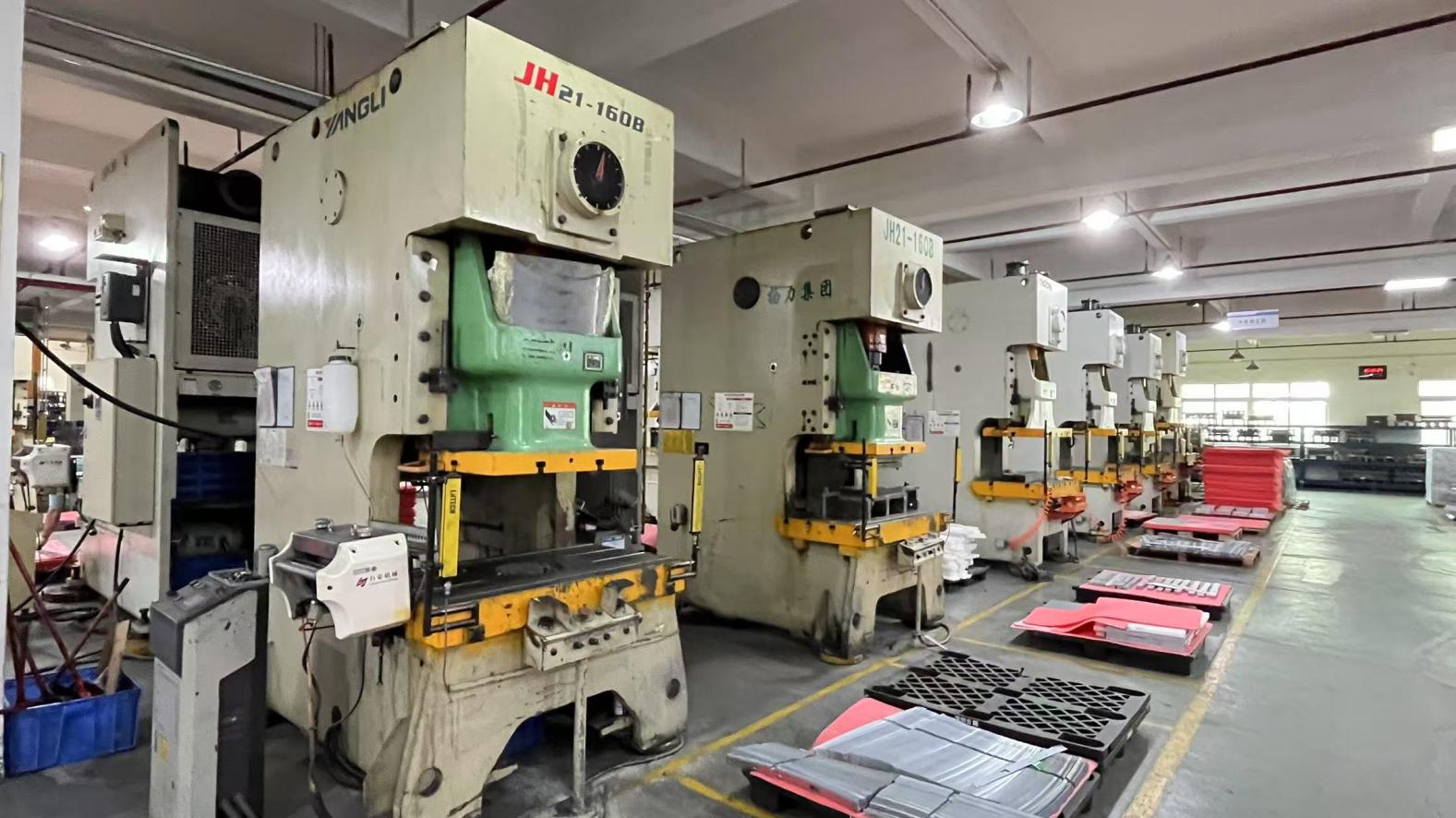
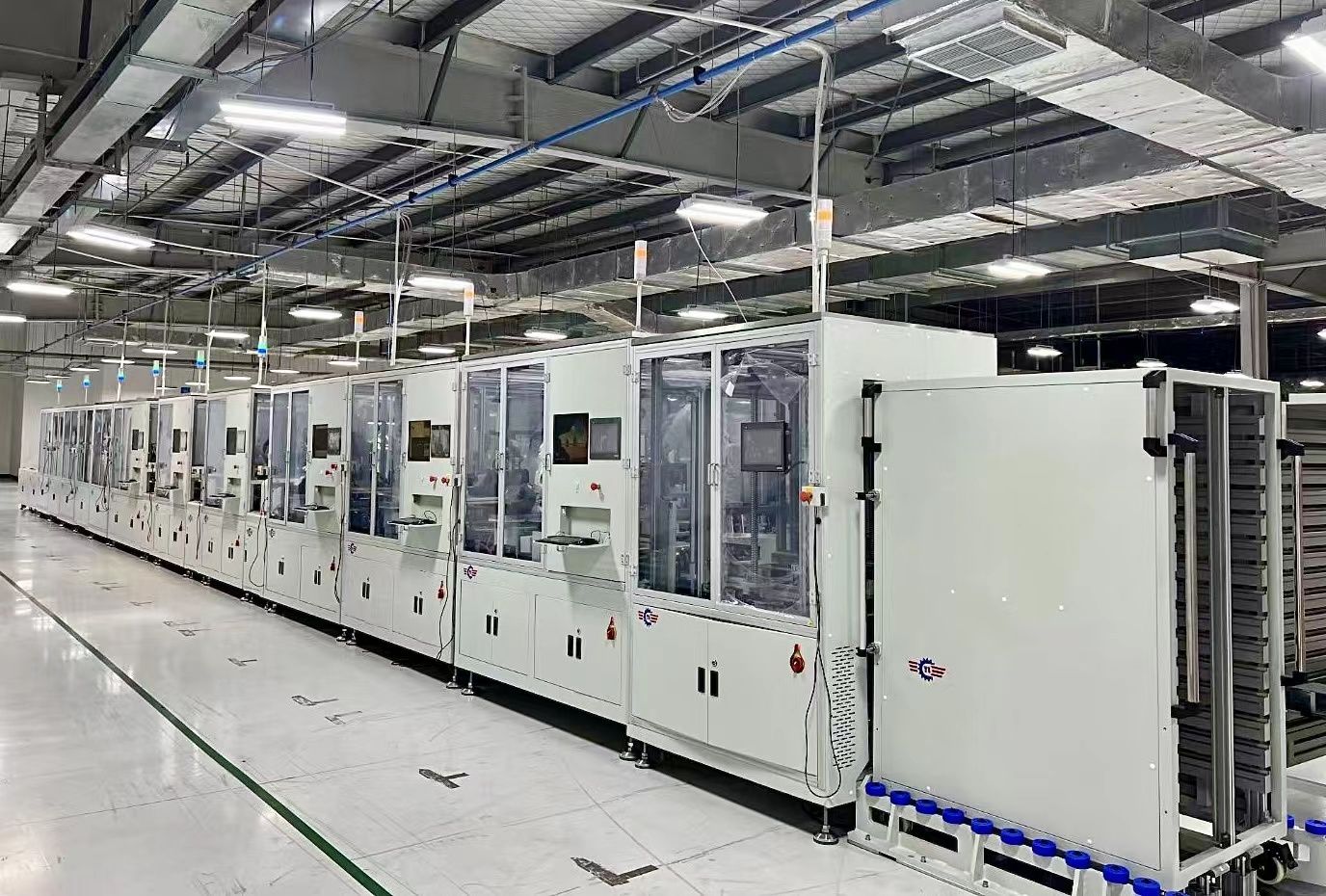
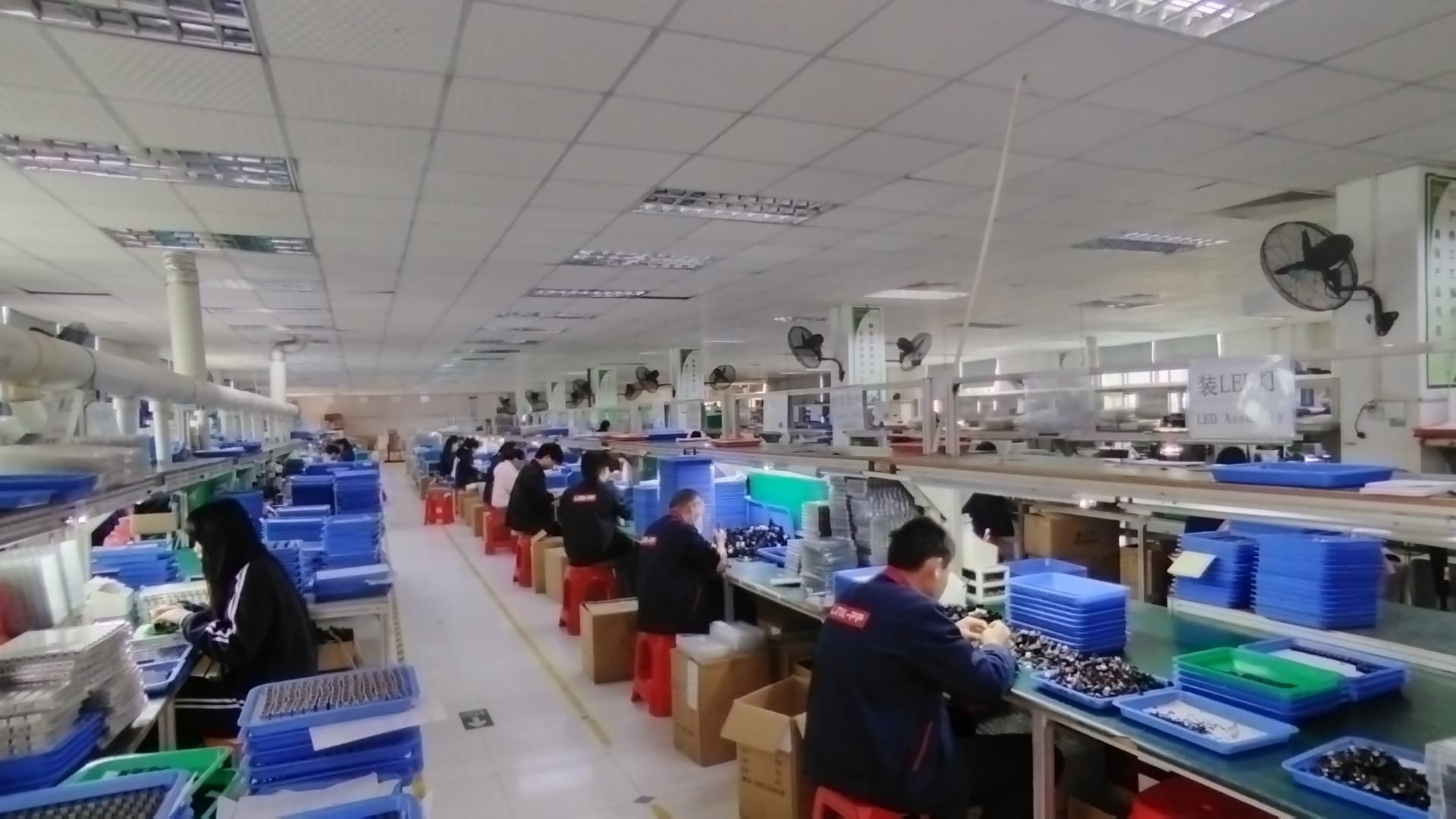
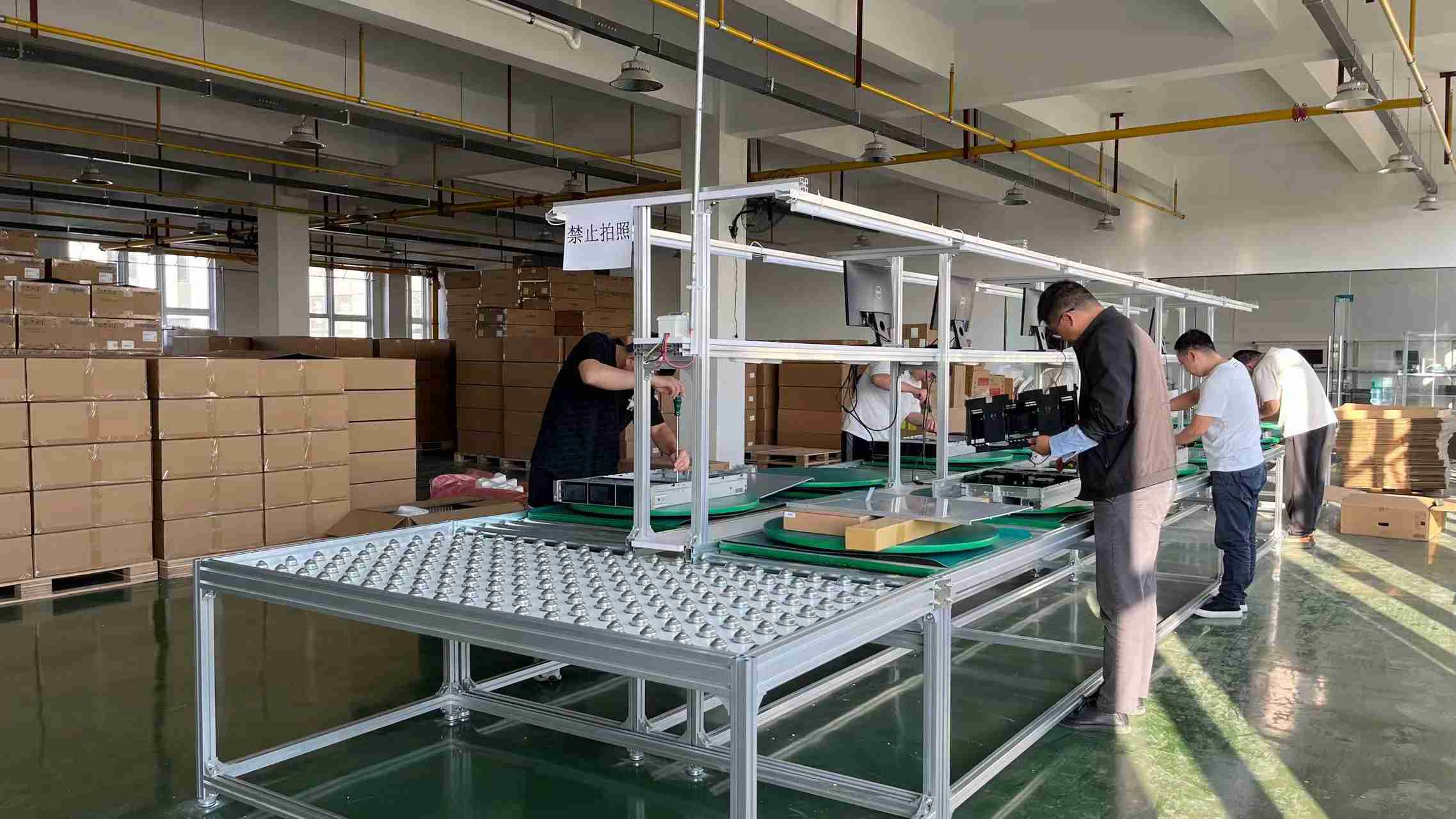
Our manufacturing and processing facilities represent the vanguard of industrial efficiency in Southern China. By integrating advanced SMT lines with automated product handling, we accelerate throughput while maintaining tight quality control limits. This operational setup allows Kryntel to manufacture and ship custom components—ranging from motherboard-processor pairings to high-power server water blocks—with consistent reliability and shorter lead times.
Our supply network is supported by 1,200 partner suppliers. This extensive footprint ensures reliable sourcing of memory chips, high-grade silicon, copper pipes, and aluminum extrusions, insulating our clients from supply chain disruptions. When you order from Kryntel, you gain access to an optimized supply chain designed to handle fluctuations in raw material supply and logistics challenges with minimal friction.
Enterprise procurement teams require suppliers who provide more than just off-the-shelf components. Partnering with Kryntel gives access to specialized services designed to simplify your hardware procurement process:
Discover additional high-density RAM modules, motherboards, custom PCBA assemblies, and specialized liquid cooling components.
Addressing common engineering and logistics questions from procurement managers and hardware systems integrators.
CE compliance evaluates hardware components against electrical safety (Low Voltage Directive) and electromagnetic compatibility (EMC Directive). For liquid-cooled hardware like the SP5 integrated water block, it guarantees that pumps and electrical connections operate without interference or safety hazards inside the server cabinet.
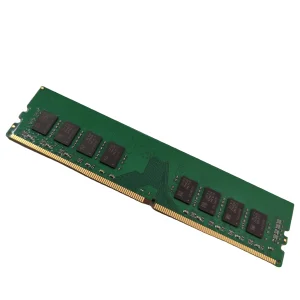
High-speed DDR5 and overclocked DDR4 memory arrays operating in dense server racks can reach operating temperatures that trigger thermal throttling. Specialized heat spreaders and custom metal heatsinks reduce memory temperatures, helping protect high-bandwidth systems from data corruption and bit flips.
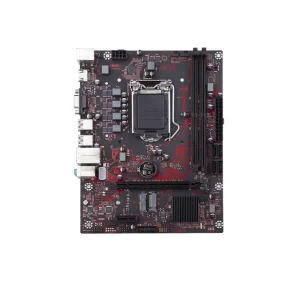
Our engineering department supports customization ranging from custom traces and multilayer layouts to adjusted mounting orientations and specialized onboard heatsinks. This ensures that customized platforms, like H510M-A or custom high-speed PCB assemblies, integrate cleanly into your server chassis.
Standard lead times vary based on configuration details, material specifications, and batch volumes. Leveraging our network of 1,200 partners and local stock, sample runs are typically completed in 7-14 business days, while volume manufacturing runs generally ship within 30 days.
 Kryntel