High-reliability hardware engineering tailored for modern hyperscale computing and industrial cloud nodes
Analyzing macro-industrial dynamics, hardware deployment criteria, and the critical role of standardized manufacturing
The global cloud computing infrastructure ecosystem is undergoing a fundamental structural transition. Driven by the explosive proliferation of Artificial Intelligence (AI) algorithms, High-Performance Computing (HPC), and distributed data processing, modern hyperscale data centers require hardware that guarantees absolute stability under continuous, complex workloads. In this demanding landscape, the role of premium component suppliers has expanded from basic fabrication to deep structural engineering integration.
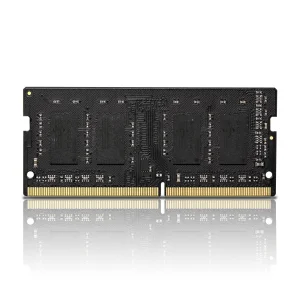
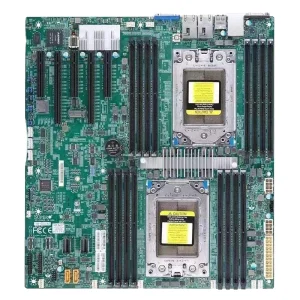
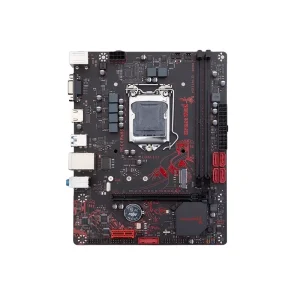
Regulatory alignment acts as the primary gatekeeper for global technology deployment. CE Certification is not merely a legal compliance badge for the European Economic Area; it represents a comprehensive metric of safety, electromagnetic compatibility (EMC), and environmental sustainability. For cloud service providers (CSPs) and enterprise data hubs, incorporating CE-certified hardware—ranging from advanced DDR5 ECC memory registers to high-density dual-socket server motherboards—mitigates system-level failure risks and ensures operational continuity.
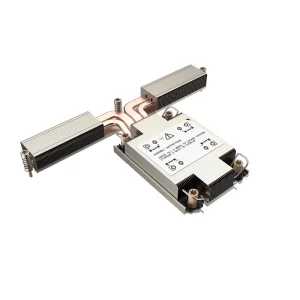
Regionally, the demand dynamics highlight varying localization focus areas. North American hyperscalers prioritize raw throughput and signal integrity for AI cluster training, forcing memory topologies to shift rapidly towards ultra-high-speed DDR5 standards. Simultaneously, the European market heavily emphasizes power-efficiency ratios and strict thermal constraints, driving adoption of passive, high-performance thermal systems such as passive extruded aluminum radiators. By addressing these diverse operational methodologies, certified factories establish themselves as central pillars of the global tech supply chain.
Understanding local regulatory demands allows us to optimize component profiles dynamically for global target regions.
Engineered by Kryntel Memory Technology (China) Co., Ltd. – Leading OEM/ODM Solutions since 2016
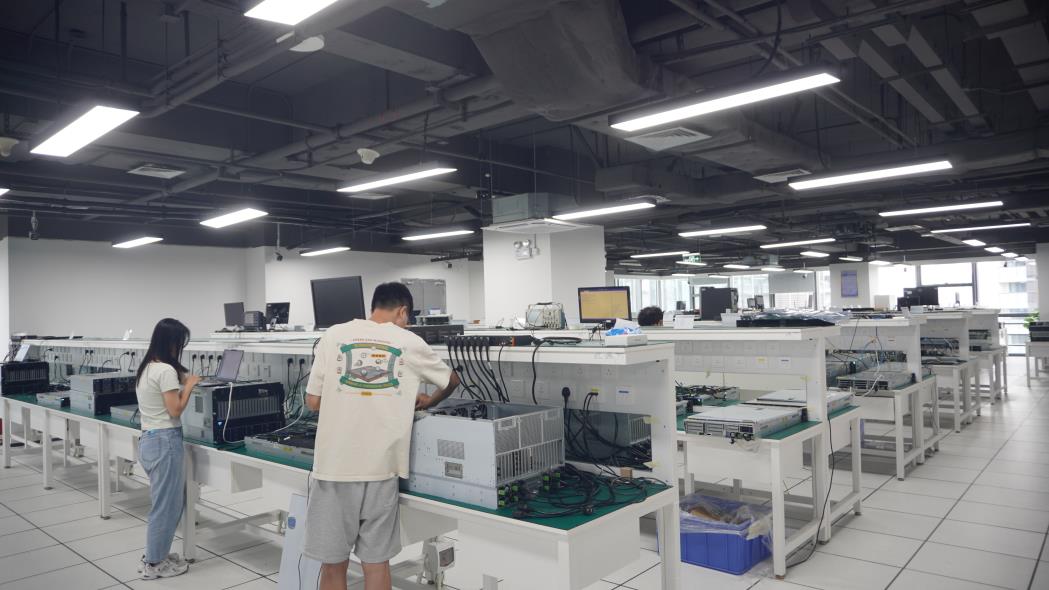
Our quality control system relies on strict multi-stage inspection standards, covering incoming raw material inspection (IQC), in-process quality control (IPQC), high-temperature aging tests, and final product sampling (FQC). Supported by a QA team of 42 professionals, we guarantee component durability.
Supported by 9 years of overall industry expertise and 6 years of international trade operations, we collaborate with a global network of 1,200 upstream and downstream supply chain partners. Our annual export revenues range from USD 8 million to USD 18 million.
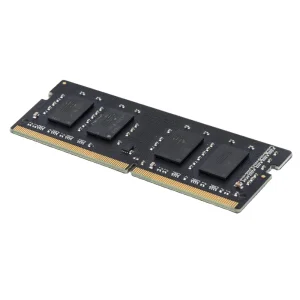
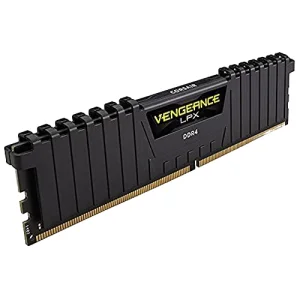
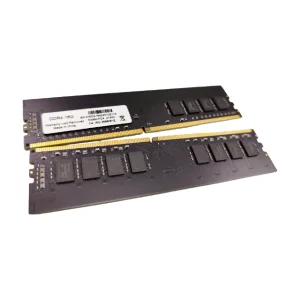
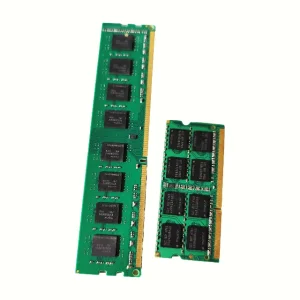
Our specialized R&D wing consists of approximately 160 engineers focusing on PCB signal integrity, heat dissipation geometries, and firmware optimization. Last year alone, we launched over 280 customized DDR4 and DDR5 models.
Innovative engineering pathways designed to meet next-generation cloud infrastructure requirements
Focusing on advanced impedance matching and signal layer stack-up configurations in multi-layer DDR5 PCBs to eliminate crosstalk at operational speeds up to 5600MHz and beyond.
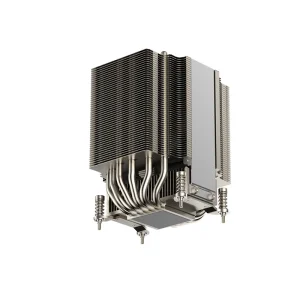
Integrating advanced materials including copper-aluminum composites and passive micro-fins to ensure stable heat dissipation in compact server structures (e.g., LGA4677, AMD SP5 systems).
Transitioning energy management from host motherboards to on-DIMM PMIC architectures for DDR5 enterprise units, yielding up to 20% savings in server-cluster standby energy draw.
Pioneering Compute Express Link (CXL) hardware adapters, allowing physical memory resources to share pools dynamically across virtualized clusters, reducing overall cloud provisioning costs.
System-level component packages designed to address specialized, mission-critical application scenarios
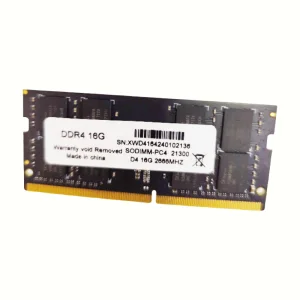
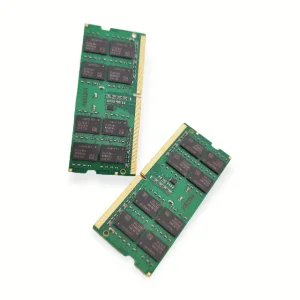
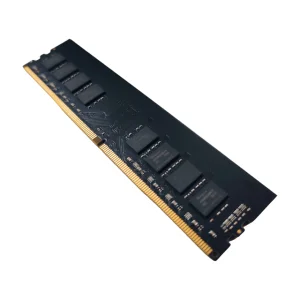
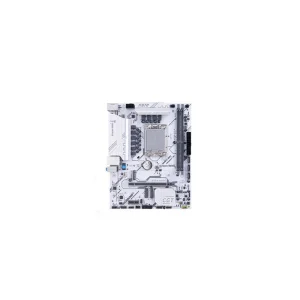
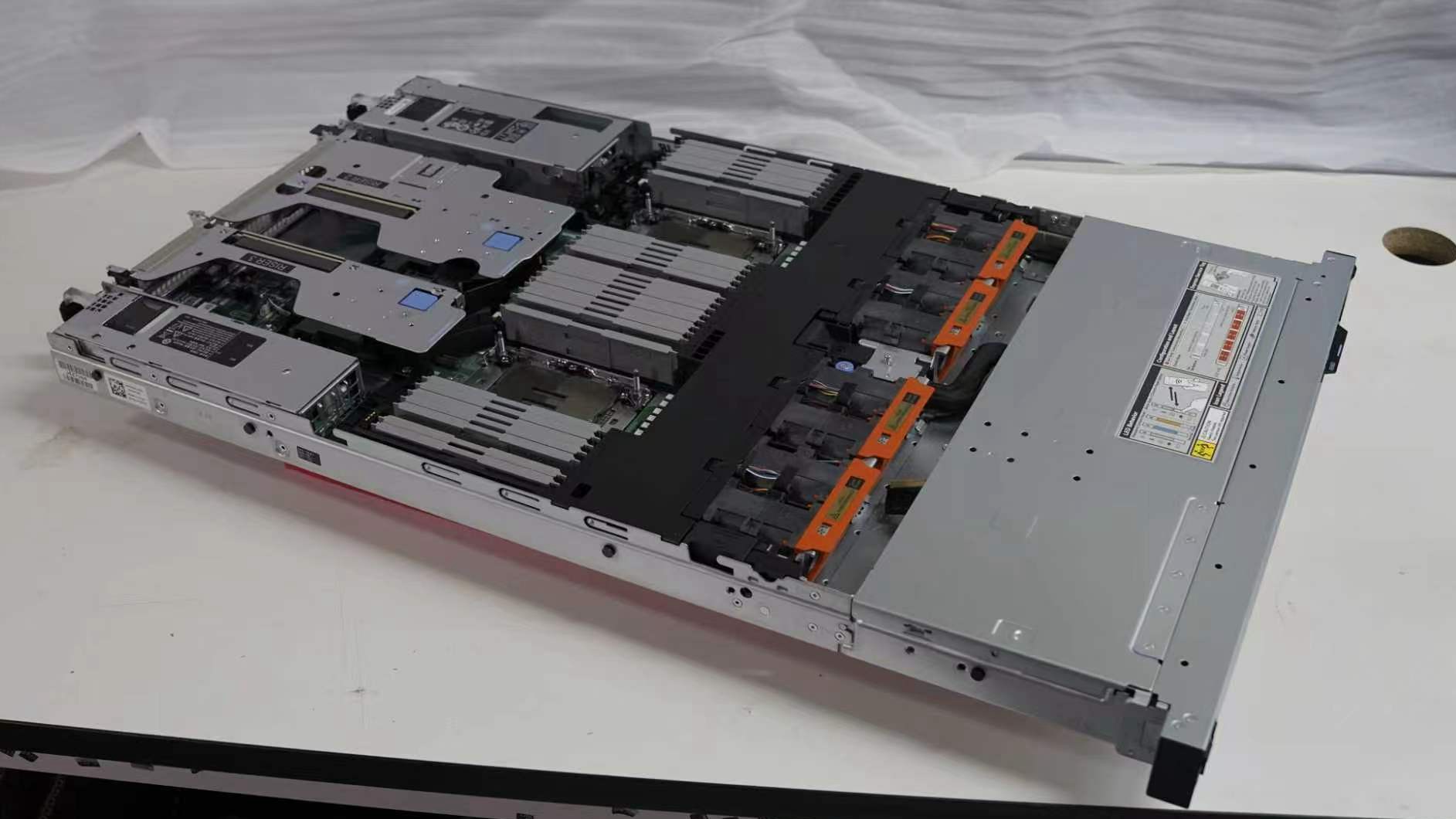
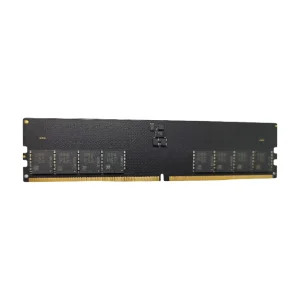
Engineered for dense server arrays executing complex cloud services. Incorporates high-frequency DDR5 32GB memory modules coupled with passive extruded copper-aluminum server motherboards to maximize processing density while maintaining efficient thermal profiles.
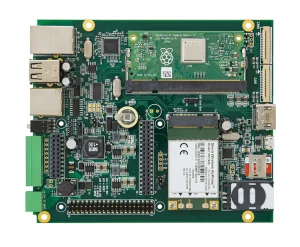
Tailored for factory floors and harsh operational environments. Uses customized, high-durability single-board architectures, including optimized Raspberry Pi PCBA development and SMT assemblies, certified to withstand temperature fluctuations and high electromagnetic interference.
Built for massive parallel model execution. Utilizes multi-channel H11DSI-NT dual motherboards along with server-grade ECC DDR4 modules and high-wattage socket coolers (LGA1700/AM5/SP5) to ensure continuous operation without thermal throttling.
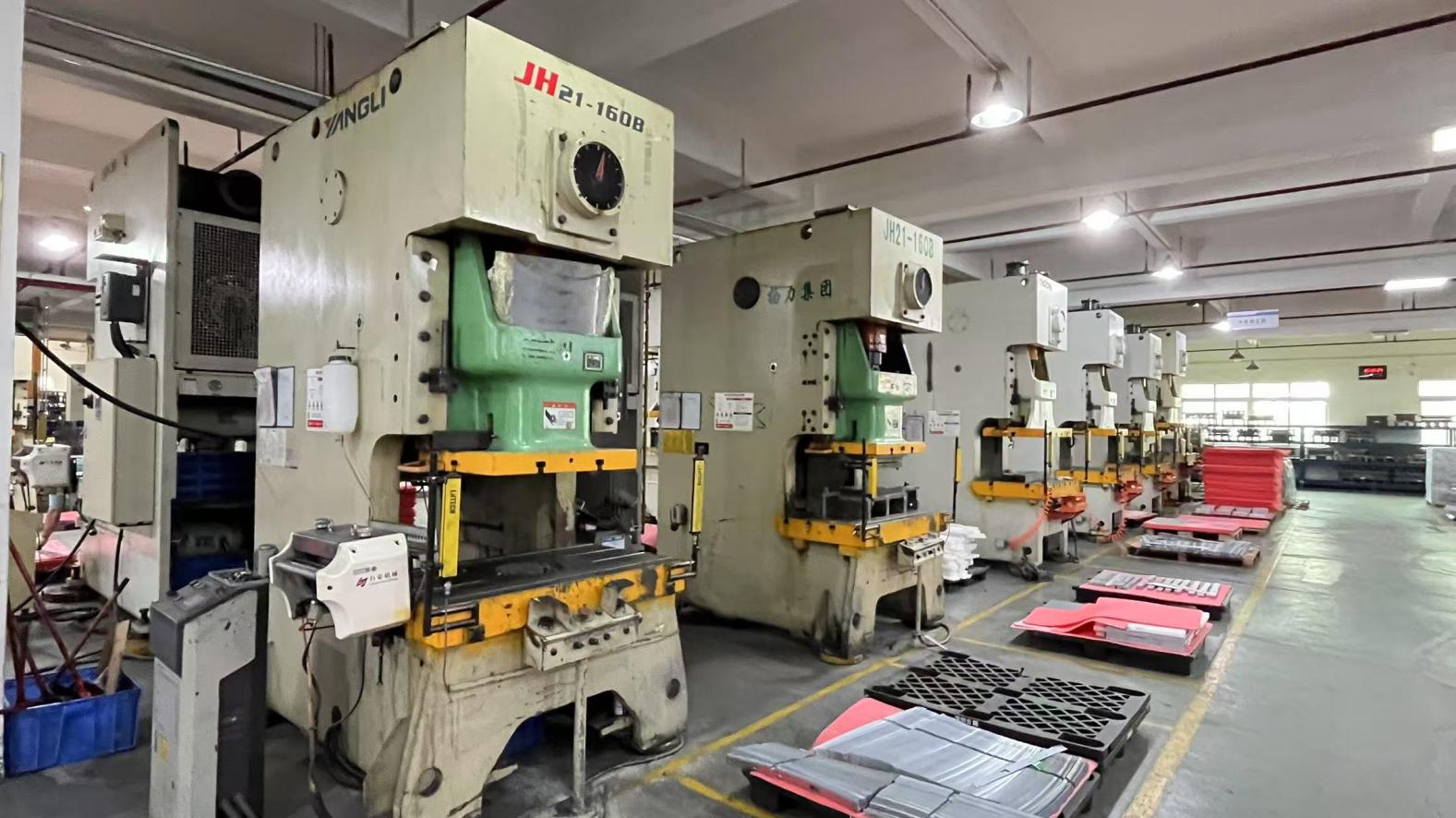
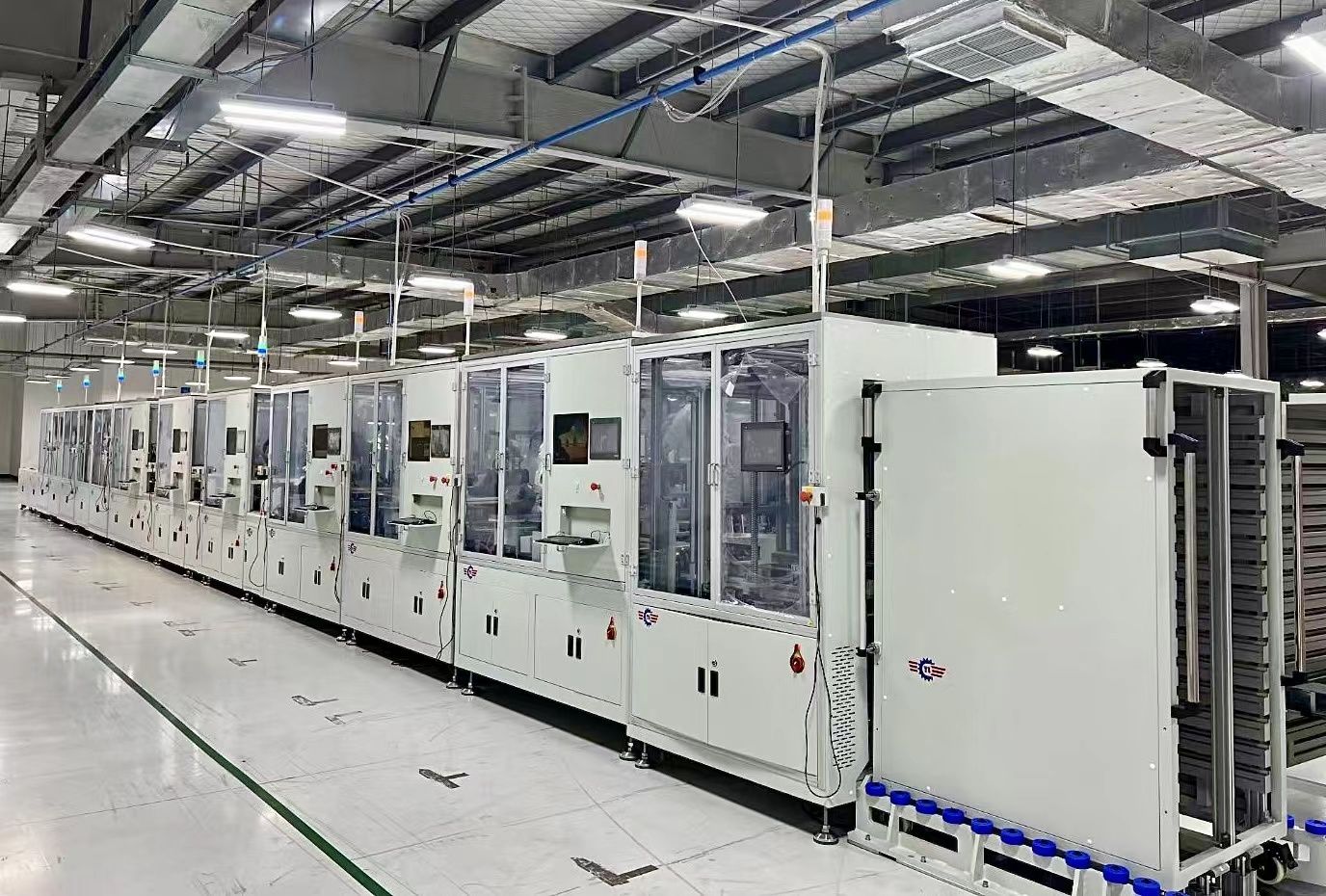
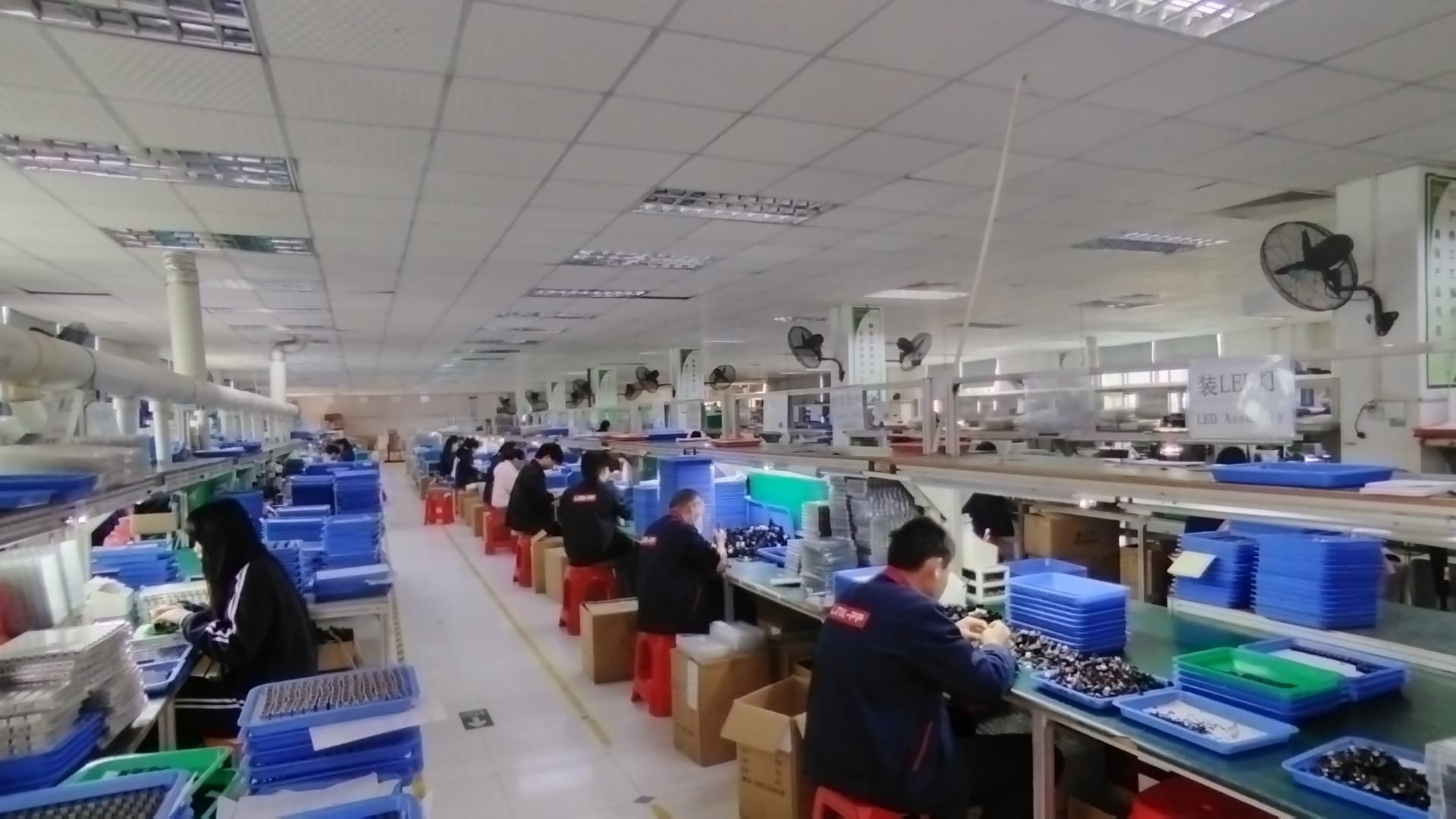
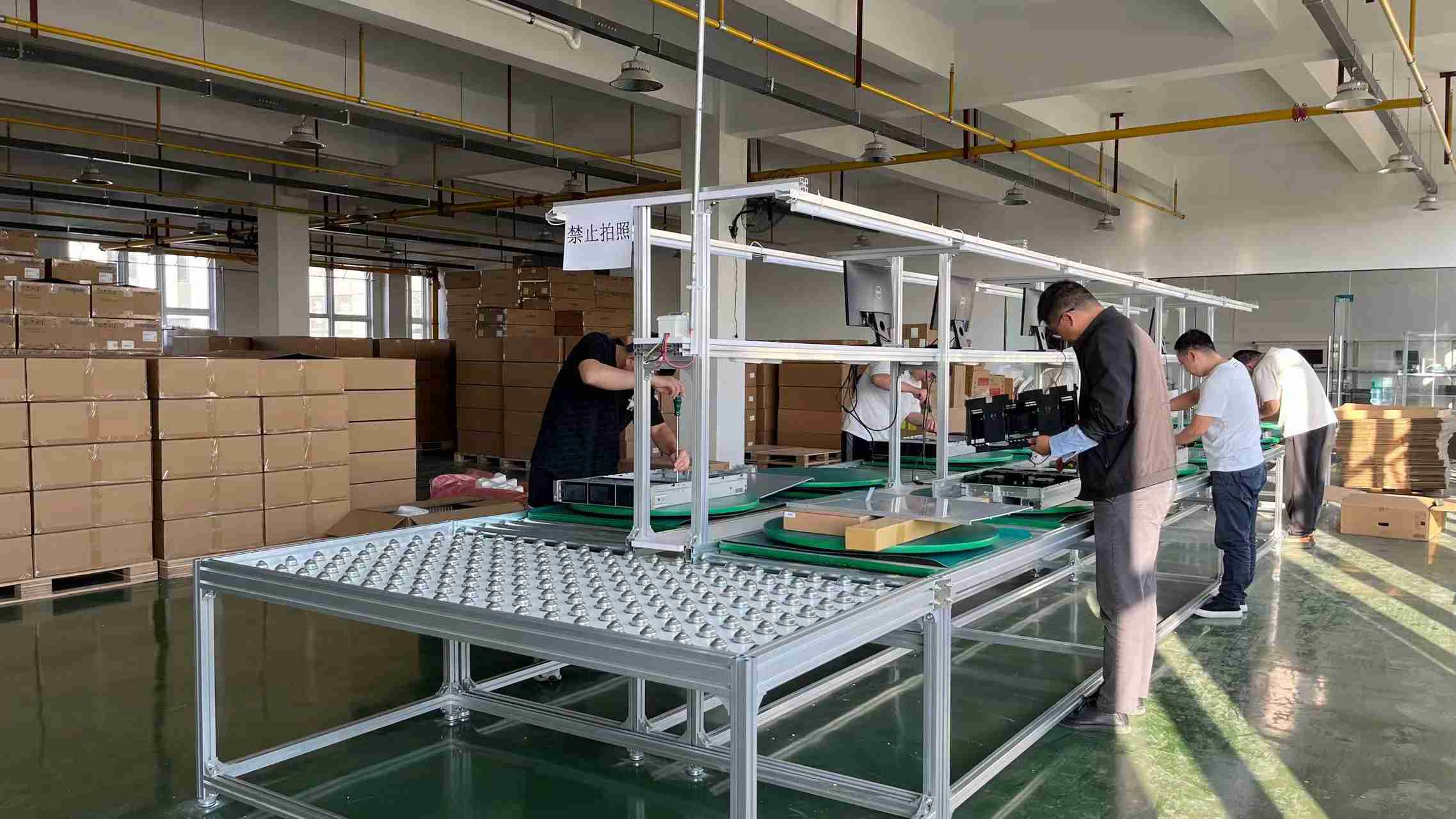
Take a virtual tour of our 320㎡ advanced semiconductor SMT assembly and testing lines
Addressing key procurement queries, quality metrics, and international compliance standards
Discover more server-grade, industrial-class computer motherboards, RAM modules, and thermal peripherals
 Kryntel