DDR5 RAM marks a significant leap in memory technology. What is DDR5 RAM? It is the fifth generation of double data rate synchronous dynamic random-access memory. It offers improved speeds and efficiency compared to its predecessor, DDR4. According to market analysis by IDC, DDR5 RAM is expected to capture 20% of the market share by 2025, reflecting its growing importance.
The advantages of DDR5 include higher bandwidth and reduced power consumption. For instance, it doubles the bandwidth, reaching over 6400 MT/s. This leap allows devices to perform faster and handle more data simultaneously. However, transitioning to DDR5 comes with challenges. Users may face compatibility issues with older motherboards. It's vital to weigh the benefits against potential hurdles.
As technology evolves, so do user expectations. DDR5 addresses these needs, yet it raises questions about future developments. Is DDR5 enough for upcoming applications? Only time will tell. Nevertheless, understanding its features and limitations is crucial for informed choices.
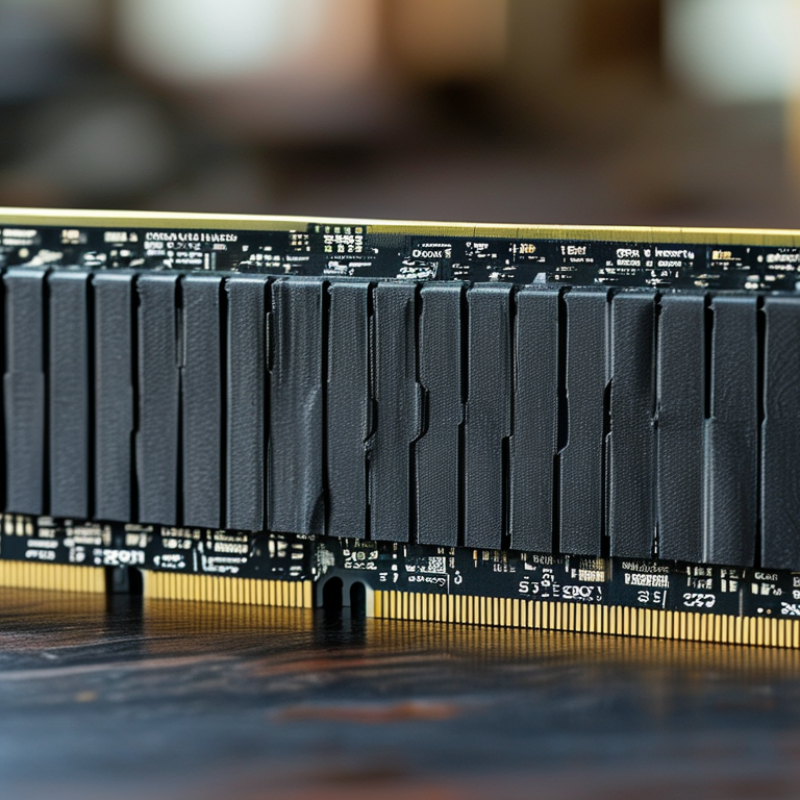
What is DDR5 RAM and How Does It Differ from Previous Generations?
DDR5 RAM represents a significant leap in memory technology. Unlike its predecessor, DDR4, DDR5 provides increased bandwidth and efficiency. It offers data rates starting from 4,800 MT/s, potentially exceeding 8,400 MT/s as technology progresses. This translates to faster load times and improved performance in demanding applications.
In terms of architecture, DDR5 introduces improved dual-channel technology. This allows for better data handling, effectively increasing performance in multitasking scenarios. Moreover, DDR5 includes features like on-die ECC (Error-Correcting Code), which enhances data integrity. According to reports from industry analysts, systems with DDR5 RAM show improved responsiveness in gaming and content creation tasks.
However, transitioning to DDR5 may come with challenges. Users need compatible motherboards and CPUs, which could require additional investments. Certain software may also take time to fully utilize DDR5’s capabilities. As with any technology, there are limitations to address. Understanding these aspects allows users to make informed decisions when considering upgrades.
Key Technical Specifications of DDR5 RAM You Should Understand
DDR5 RAM represents a significant leap in memory technology. One key specification is its speed. DDR5 offers a data rate starting at 4800 MT/s, which is notably higher than DDR4's 3200 MT/s. This improvement can enhance bandwidth-intensive applications. Additionally, experts anticipate that DDR5 will reach speeds of up to 8400 MT/s as the technology matures. Such bandwidth is vital for data centers and gaming applications that require extensive memory throughput.
Another essential aspect is capacity. DDR5 modules support double the density of DDR4, allowing for up to 64 GB per chip. This means that systems can have significantly larger memory capacities. Such enhancements can improve multitasking performance. However, implementing this technology does require compatible motherboards. Users should consider this crucial compatibility factor.
Latency is also an important technical specification. DDR5 introduces a partitioned memory architecture. This architecture can create more efficient memory access patterns. However, some early adopters found their applications did not fully leverage these enhancements. While the potential is promising, developers must optimize software to truly harness DDR5's capabilities. Embracing this technology requires careful planning and attention to detail.
Top 10 Facts About DDR5 RAM You Need to Know
This chart illustrates the key technical specifications of DDR5 RAM compared to its predecessor DDR4, highlighting aspects such as bandwidth, peak data rate, and power efficiency.
Benefits of Upgrading to DDR5 RAM for Gaming and Multitasking
Upgrading to DDR5 RAM can significantly enhance your gaming experience. With a higher bandwidth, DDR5 offers faster data transfer rates. This means quicker load times and smoother gameplay. Gamers often notice less lag and stuttering, especially in demanding titles. Improved performance is crucial for competitive gaming. Every millisecond counts, and DDR5 helps minimize delays.
Multitasking is another area where DDR5 excels. Enhanced memory speeds allow for seamless transitions between applications. Tasks such as gaming, video editing, and streaming can run concurrently without hiccups. This is vital for content creators who rely on high performance. The ability to juggle multiple heavy applications enhances productivity. However, it's essential to assess your motherboard compatibility before switching. Upgrading isn't always straightforward, and sometimes, the required support isn't there. It's a good idea to double-check specifications and ensure you're making a wise investment.
Compatibility Considerations When Using DDR5 RAM with Existing Hardware
When considering DDR5 RAM, compatibility is a key factor for users. Not all motherboards support DDR5 memory. Check your motherboard specifications before purchasing. Many older chipsets only work with DDR4 RAM. This could lead to wasted investment and increased frustration.
Another aspect to consider is the CPU compatibility. Some processors are designed for DDR4. Ensure your CPU can handle the newer DDR5 standard. Running incompatible RAM can result in system instability. It’s essential to verify compatibility with trusted sources, like manufacturer specifications, to avoid discrepancies.
Tips: Always double-check your motherboard model. Research online forums for real user experiences. This can provide insights into potential issues. Look out for firmware updates. They can enhance compatibility performance with DDR5 RAM. Taking these precautions can save time and money in the long run.
Top 10 Facts About DDR5 RAM You Need to Know
| Fact |
Description |
Compatibility Considerations |
| Speed |
DDR5 RAM provides higher speeds, typically starting from 4800 MT/s. |
Ensure motherboard supports DDR5 and has the latest BIOS updates. |
| Bandwidth |
DDR5 doubles the bandwidth compared to DDR4. |
Verify that the CPU and chipset can utilize the increased bandwidth. |
| Latency |
While higher speeds are available, latency may slightly increase. |
Check specifications for comparative latency metrics against DDR4. |
| Capacity |
Support for larger memory capacities per module, up to 64 GB and beyond. |
Ensure the motherboard can handle high-capacity RAM modules. |
| Efficiency |
DDR5 RAM operates at a lower voltage of 1.1V compared to DDR4's 1.2V. |
Ensure power supply compatibility; older models may not support lower voltages. |
| Dual-Channel |
DDR5 enhances dual-channel architecture for better data transfer. |
Confirm your motherboard supports dual-channel DDR5 configuration. |
| Compatibility |
Incompatible with DDR4 standard; cannot be mixed. |
Review system specifications and avoid mixing memory types. |
| Future-Proofing |
Investing in DDR5 can help ensure your system remains relevant longer. |
Check for future software and hardware compatibility plans. |
| Heat Management |
May produce more heat; active cooling solutions might be necessary. |
Evaluate cooling solutions based on your hardware's thermal design. |
Future Trends and Developments in DDR5 RAM Technology
As DDR5 RAM technology continues to develop, several trends are emerging that could shape its future. Current data shows that the global DDR5 market is expected to grow by over 30% annually until 2025, driven by the rise in demand for high-performance computing systems. This increase reflects a need for faster data processing, especially in applications like gaming and artificial intelligence.
Another significant trend is the push for energy efficiency. DDR5 aims to reduce power consumption while delivering higher speeds. Reports indicate that DDR5 can achieve 1.1V operation, compared to 1.2V in DDR4. This transition not only conserves energy but also helps to cool systems more effectively, which is increasingly important in compact and mobile devices.
However, the migration to DDR5 is not without challenges. Compatibility with existing motherboards poses a concern. Many users may remain on DDR4 for now, delaying the full adoption of DDR5 technology. Additionally, manufacturers face hurdles in yield rates and production costs. As these issues are addressed, DDR5 could truly revolutionize computing, paving the way for even more advanced memory technologies.
Conclusion
DDR5 RAM represents the latest generation of dynamic random-access memory, designed to provide significant enhancements in speed and efficiency compared to its predecessors. What is DDR5 RAM, and how does it differ from previous generations? Primarily, DDR5 offers increased bandwidth, higher density, and improved power efficiency, making it ideal for demanding applications such as gaming and multitasking. Key specifications of DDR5 include faster data transfer rates and better scalability, which cater to modern computing needs.
Upgrading to DDR5 RAM can lead to noticeable improvements in system performance, particularly for gamers and those who require robust multitasking capabilities. However, compatibility is a crucial factor to consider, as not all existing hardware supports this new memory standard. As technology evolves, ongoing developments in DDR5 RAM could further enhance its capabilities, setting the stage for future innovations in high-performance computing.

 Kryntel