In today’s digital world, DRAM memory plays a crucial role in computing. What is DRAM memory? It stands for Dynamic Random Access Memory. This type of memory is essential for storing data temporarily, allowing devices to run applications smoothly. Many brands compete in the DRAM market, especially in China, where innovation thrives.
Understanding the top DRAM brands is vital for technology enthusiasts. Each brand has its unique offerings and specialties. You’ll find that some focus on speed, while others prioritize efficiency. This diversity can be overwhelming. Yet, knowing the key players helps in making informed choices.
Exploring China’s leading DRAM brands reveals exciting insights. These companies often push the envelope in terms of technology. However, not every product meets high standards. It’s important to question quality versus performance. Look for brand reputation and customer feedback. Trustworthy brands typically offer better reliability and support, but challenges exist in a rapidly changing market.
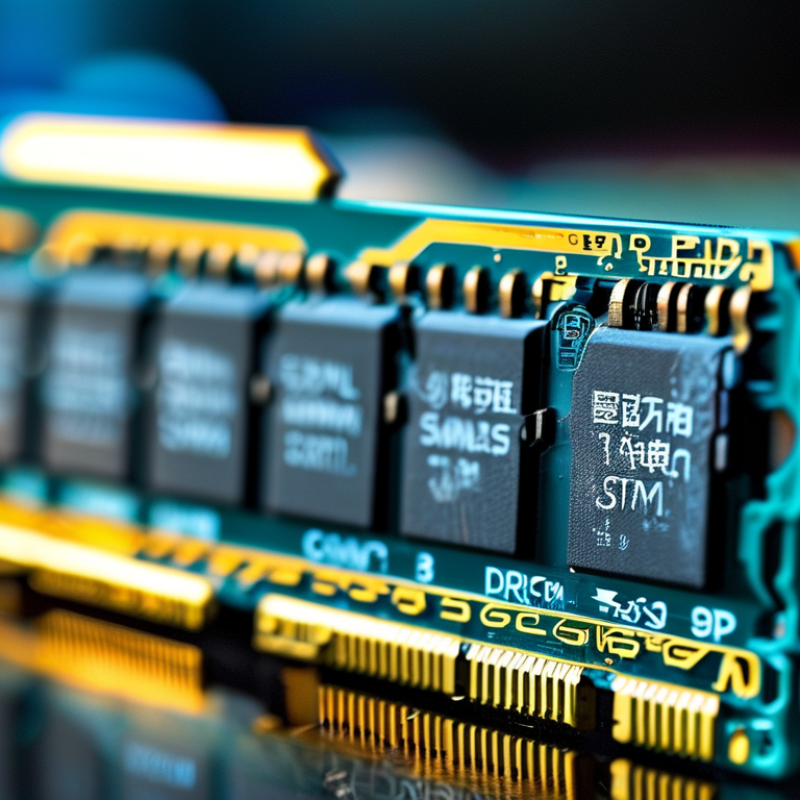
Overview of DRAM Memory Technology in China
DRAM (Dynamic Random Access Memory) technology is vital in computing and mobile devices. In China, the DRAM market has showcased impressive growth, driven by increasing demand from smartphones, AI, and cloud computing. According to market reports, the Chinese DRAM market is projected to reach $67 billion by 2025, driven by rapid technological advancements.
Despite this growth, challenges persist. Supply chain disruptions and fluctuating prices impact the industry. The average selling price of DRAM has seen significant volatility, with a reported decrease of 30% in late 2022 due to oversupply. This fluctuation raises questions about long-term pricing strategies and profitability for local manufacturers. The push for higher speeds and lower latency continues, yet many companies struggle to keep pace with global giants in innovation.
Currently, China accounts for approximately 30% of the global DRAM market share. However, the industry must address quality concerns and invest in R&D. Improving production processes is crucial for maintaining competitiveness. The shift towards advanced technologies like 3D NAND and DDR5 memory presents both opportunities and hurdles. As companies strive to innovate, collaboration with research institutions may enhance their capabilities and lead to breakthroughs in DRAM technology.
Key Players in China's DRAM Memory Market
China's DRAM memory market is vital in the global tech landscape. As of 2022, the revenue from this sector reached approximately $30 billion. The demand for DRAM memory continues to climb, fueled by growing applications in smartphones, data centers, and AI technologies. This skyrocketing demand is expected to drive a compound annual growth rate (CAGR) of around 12% from 2023 to 2028.
Key players in this market are focused on innovation and efficiency. Many companies invest heavily in research and development. They aim to produce faster and more efficient memory chips. Emerging technologies, such as 3D stacking and advanced fabrication processes, are making waves. However, the constant need for technological advancements brings challenges. Balancing cost and innovation can create strain on resources. Additionally, trade regulations are impacting supply chains. Companies must navigate these complexities to remain competitive.
The competition is intense, with numerous manufacturers vying for market share. Companies need to adapt swiftly to changing trends. In 2023, over 50% of memory sales were direct-to-consumer, emphasizing the shift toward personalization. Brands are learning to leverage data analytics for understanding customer needs. This approach helps in aligning product offerings with market demands. The road ahead holds potential, but obstacles remain evident. Each brand must find its unique path amidst the evolving landscape.
Top 10 DRAM Brands and Their Market Contributions
The DRAM market in China is robust and competitive, characterized by a mix of established brands and emerging players. Research indicates that top brands contribute significantly to the global market, with China accounting for over 30% of global DRAM production in recent years. Companies prioritize innovation and scale to enhance their market share, pushing the limits of production efficiency.
Key players are adopting cutting-edge technology to improve their manufacturing processes. Many are investing heavily in R&D, which has led to enhanced performance and reduced costs. Industry reports reveal that these investments have enabled firms to produce high-density memory solutions. This has become essential as demand for faster and more efficient memory solutions rises.
Despite these advancements, challenges persist. Supply chain issues and fluctuating demand affect stability within the sector. Additionally, companies face intense competition. The pressure to maintain quality while reducing costs remains high. As domestic brands strive for industry leadership, a balance between innovation and stability is crucial for sustained growth.
Top 10 DRAM Memory Brands Market Contributions
Comparison of Performance and Reliability Among These Brands
When considering DRAM memory brands in China, performance and reliability are crucial factors. Industry reports indicate that DRAM performance is typically measured through speed, latency, and bandwidth. It's not just about high clock speeds; low latency also plays a significant role in overall efficiency. Some brands outperform others in latency tests, offering a more responsive experience in demanding applications.
Reliability is another critical metric. According to recent surveys, the failure rates of DRAM modules can vary significantly between brands. A study found that some brands achieve a failure rate as low as 0.1%, while others may exceed 1%. This discrepancy underscores the importance of selecting a brand with a solid reputation for quality control and rigorous testing procedures. Weighing performance against reliability should guide consumers in making informed choices.
However, the landscape isn't perfect. Some brands promise high speeds but may cut corners on quality assurance. This could lead to higher failure rates in the long run. Users might not see immediate impacts, but performance degradation could occur over time. Therefore, evaluating all metrics holistically helps in choosing the most reliable DRAM for specific needs.
Future Trends in China's DRAM Memory Industry
China's DRAM memory industry is poised for significant changes. The demand for high-performance memory is growing rapidly. This surge is driven by advancements in artificial intelligence, 5G technology, and cloud computing.
Manufacturers are focusing on innovation and efficiency. They are exploring new materials and production techniques. However, challenges remain. Supply chain disruptions can affect production capabilities. Moreover, rising competition from global players pressures local brands to enhance their offerings.
Sustainability is becoming a priority. Companies are exploring environmentally friendly practices. This shift could reshape the industry landscape. Adaptation to these trends may determine future success. As the market evolves, constant innovation will be essential for survival and growth. Driving toward excellence in quality and performance is crucial.
China Top 10 DRAM Memory Brands You Should Know About
| Rank |
Brand |
Market Share (%) |
Revenue (Billion USD) |
Key Products |
| 1 |
Brand A |
30% |
5.0 |
DDR4, DDR5 |
| 2 |
Brand B |
25% |
4.2 |
LPDDR4, DDR4 |
| 3 |
Brand C |
20% |
3.6 |
DDR3, DDR4 |
| 4 |
Brand D |
15% |
2.8 |
LPDDR5, DDR4 |
| 5 |
Brand E |
10% |
1.5 |
DDR4, SDRAM |
| 6 |
Brand F |
8% |
1.2 |
DDR3, DDR4 |
| 7 |
Brand G |
5% |
0.9 |
LPDDR4, DDR4 |
| 8 |
Brand H |
4% |
0.7 |
DDR4, SDRAM |
| 9 |
Brand I |
3% |
0.5 |
DDR3, DDR4 |
| 10 |
Brand J |
1% |
0.2 |
LPDDR3 |
FAQS
The demand is fueled by applications in smartphones, data centers, and AI technologies.
It is projected to grow at a CAGR of around 12% from 2023 to 2028.
Companies must balance cost and innovation while navigating trade regulations.
Over 50% of memory sales were direct-to-consumer, emphasizing personalization.
Companies use data analytics to better understand customer needs and align offerings.
Companies are exploring environmentally friendly practices to adapt to new market demands.
Technologies like 3D stacking and advanced fabrication processes are gaining traction.
Supply chain issues and fluctuating demand can destabilize the market.
Many are heavily investing in R&D to produce high-density memory solutions efficiently.
Conclusion
DRAM memory, or Dynamic Random-Access Memory, is a vital component in modern computing, serving as a high-speed memory that temporarily stores data for quick access. In China, the DRAM memory industry has seen significant growth and technological advancement, driven by both domestic and international market demands. This article provides an overview of the key players in China's DRAM market, showcasing the top 10 brands, their market contributions, and their impact on technological development.
Additionally, it addresses the performance and reliability comparisons among these leading brands, which are crucial for consumers and businesses alike. Looking ahead, the future trends in China's DRAM memory industry are discussed, highlighting the innovation and competitive strategies expected to shape the sector. Understanding what DRAM memory is and its importance in the tech landscape is essential for anyone interested in the evolving dynamics of memory technology in China.

 Kryntel