When it comes to memory modules, understanding the RDIMM vs LRDIMM difference is crucial for informed purchasing. Both options serve distinct purposes in performance and capacity optimization. RDIMM, or Registered DIMM, is known for its reliability in servers. It enhances memory stability, making it ideal for crucial applications. However, it has limits in scalability and memory density.
On the other hand, LRDIMM, or Load-Reduced DIMM, tackles those limitations by allowing higher memory capacities. It achieves this by reducing the load on the memory controller. This means more memory can be packed into a single server. For modern data centers, this advantage is significant. Yet, LRDIMMs may introduce complexity in compatibility.
Buyers face a challenging decision. Choosing between RDIMM and LRDIMM depends on specific needs. Factors like system architecture and workload requirements play roles in this choice. It's essential to weigh the benefits and potential drawbacks. A clear understanding of the RDIMM vs LRDIMM difference can ultimately lead to better performance and efficiency in computing environments.
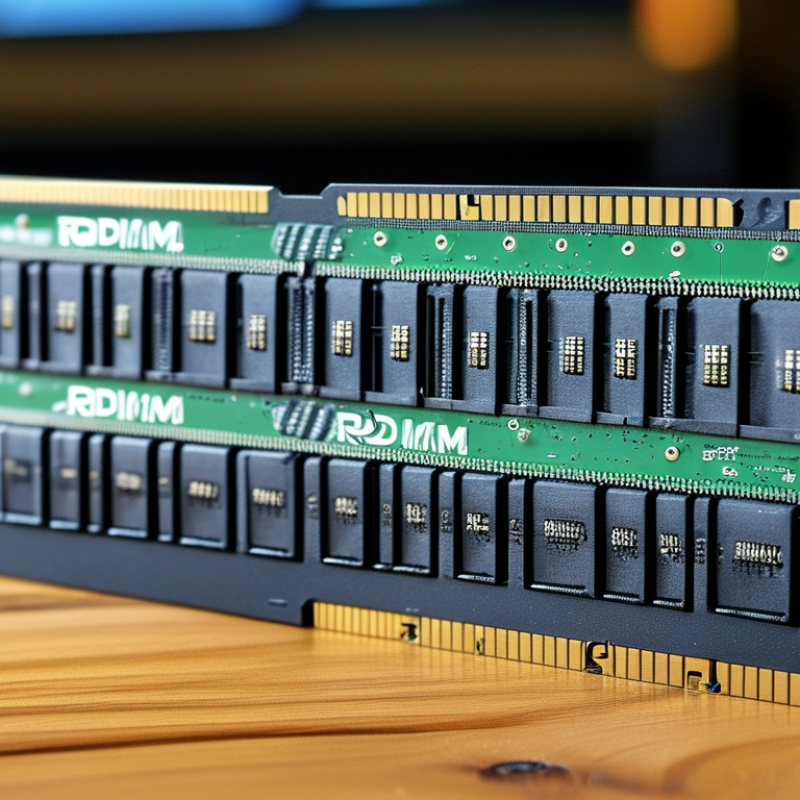
RDIMM (Registered Dual In-Line Memory Module) and LRDIMM (Load-Reduced Dual In-Line Memory Module) are two prevalent memory technologies used in server environments. RDIMM features a register that buffers the data signals. This buffering helps maintain signal integrity. RDIMMs support standard features in most server applications, typically providing improved stability and performance at moderate pricing. According to industry reports, they are commonly used in data centers for workloads requiring reliability.
Conversely, LRDIMM employs additional buffering to reduce the electrical load on the memory controller. This allows for higher memory capacities and speeds. When comparing RDIMM and LRDIMM, performance metrics suggest LRDIMMs can support up to 256GB per module, significantly surpassing the 64GB limit of RDIMMs. This characteristic is critical for applications needing extensive memory allocation, such as in-memory databases.
However, LRDIMM can introduce complexities in system compatibility and power consumption, which may lead to higher operational costs. Buyers should consider their specific workloads when choosing between the two types. Understanding the load and performance needs is vital for optimizing server architecture. Insight from leading industry benchmarks highlights the need for careful evaluation before making decisions on memory technology.
This chart illustrates the key differences between RDIMM and LRDIMM memory modules in terms of capacity, data rate, power consumption, and latency. RDIMMs are typically used in applications requiring less capacity and power, while LRDIMMs are suited for high-capacity, high-performance computing environments.
RDIMM (Registered DIMM) and LRDIMM (Load-Reduced DIMM) serve as essential memory modules in modern servers. They differ significantly in terms of performance and architecture. RDIMMs are equipped with a register that buffers the control signals, allowing for increased stability and support for larger memory capacities. However, they tend to have limitations on scalability compared to LRDIMMs. According to industry data, RDIMMs can support configurations of up to 64 GB per module in quad-level cells.
In contrast, LRDIMMs utilize advanced load-reduction technology, allowing higher memory density and reduced load on the memory controller. This means they can handle configurations up to 128 GB or more per module, which is increasingly vital in data-intensive applications. A report from the International Data Corporation highlights that server setups using LRDIMMs can achieve up to 33% greater memory bandwidth than those using RDIMMs. This increased efficiency can lead to better overall performance, yet it requires careful consideration regarding compatibility with existing server architectures.
Ultimately, the choice between RDIMM and LRDIMM should be guided by specific use cases. Those requiring greater capacity and bandwidth may favor LRDIMM, despite potential cost implications. Effective utilization of memory technology remains a critical factor in optimizing server performance.
When comparing RDIMM and LRDIMM, performance metrics like speed and bandwidth emerge as crucial factors for global buyers. RDIMMs typically operate at lower densities, leading to faster speeds. They often support data rates up to 3200 MT/s, making them suitable for applications requiring speed. Studies from well-respected industry reports showcase that RDIMMs achieve a 10-15% performance gain in latency-sensitive tasks compared to LRDIMMs.
Conversely, LRDIMMs, designed for higher capacities, exhibit different bandwidth characteristics. While they may operate slightly slower, they effectively increase memory capacity in servers. This capacity boost can reach up to 128GB per module. Reports frequently emphasize that for workloads like data analytics, LRDIMMs provide substantial bandwidth. This is critical for applications requiring massive data processing capabilities. Yet, users must evaluate whether the trade-off in speed aligns with their needs.
Both memory types exhibit unique advantages. Performance impact is dependent on specific workloads. High-density LRDIMMs may suit certain environments while RDIMMs could excel in others. Understanding these dynamics can shape purchasing decisions, ensuring alignment with operational demands and performance expectations.
When considering RAM options for large-scale deployments, the choice between RDIMM and LRDIMM becomes critical. RDIMM, or Registered DIMM, is a popular choice due to its balance of reliability and capacity. It offers decent performance but is limited in maximum capacity. LRDIMM, or Load-Reduced DIMM, provides significant advantages for those requiring higher capacity. This makes LRDIMM better suited for extensive server environments where memory demands are intense.
Capacity is essential in determining the right type of memory for a deployment. LRDIMMs support larger memory configurations, allowing for more memory sticks per channel. In some cases, this means doubling the available memory capacity compared to RDIMMs. This can significantly enhance performance for applications requiring substantial data processing. However, they can be more complex to manage, which poses potential challenges.
Understanding the nuanced differences can be tricky. While RDIMMs are more straightforward, LRDIMMs will likely involve more configuration and consideration. This complexity may not suit every environment. Buyers should carefully assess their unique needs and workloads before making a decision. Balancing capacity needs against the operational complexity is essential in this evolving landscape of data requirements.
In the competitive landscape of memory modules, understanding the cost implications of RDIMM and LRDIMM is crucial for buyers. RDIMM, or Registered DIMM, typically comes at a lower price point. This makes it appealing for budget-conscious consumers and organizations. However, LRDIMM, or Load-Reduced DIMM, offers advanced features that can lead to operational efficiencies over time. The initial higher investment in LRDIMM can result in lower latency and improved performance.
Buyers need to consider these factors carefully. Prices for RDIMM can fluctuate based on supply and demand, leading to potential savings. On the other hand, LRDIMM prices may reflect technology advancements, increasing value. The cost analysis does not only focus on immediate expenses. Long-term savings and performance improvements play a key role. Making the right choice is not always straightforward. A buyer should weigh immediate costs against potential future benefits.
Understanding the differences in memory types is important, but reflecting on pricing trends will guide informed decisions. For example, a slight increase in LRDIMM prices may indicate stronger demand due to performance needs in high-capacity applications. Analyzing market trends and technology advancements can help buyers align their investments with organizational goals effectively. Each decision should be based on comprehensive data, allowing for a balanced approach to memory module procurement.
: RDIMM is a memory module with a register that buffers data signals. LRDIMM provides additional buffering for lower electrical load.
RDIMM supports up to 64GB per module. LRDIMM can support up to 256GB per module.
RDIMM offers stability and performance at a moderate price. It's ideal for standard server applications.
LRDIMM allows for higher capacities and speeds. It's critical for applications like in-memory databases.
LRDIMM can complicate system compatibility. It may also increase power consumption and operational costs.
Yes, RDIMM typically has a lower price point. It appeals to budget-conscious consumers and organizations.
RDIMM prices can change based on supply and demand. LRDIMM prices may reflect technological advancements.
Buyers should evaluate workloads, pricing trends, and potential long-term benefits. Each decision requires careful thought.
Yes, despite the higher initial cost, LRDIMM can improve performance and reduce latency over time.
Analyzing market trends helps align investments with organizational goals and informs decisions on memory procurement.
The article "RDIMM vs LRDIMM Differences Explained for Global Buyers" provides a comprehensive overview of the key distinctions between RDIMM (Registered DIMM) and LRDIMM (Load-Reduced DIMM) memory modules. It begins with definitions and basic concepts, followed by an exploration of the technical differences that impact system performance. The discussion includes comparative metrics on speed and bandwidth, highlighting how these factors play a critical role in real-world applications.
The article also examines capacity considerations, particularly in large-scale deployments where memory efficiency can significantly affect overall system performance. Finally, a cost analysis section outlines price trends and value propositions for buyers, assisting them in making informed decisions based on the RDIMM vs LRDIMM difference. By emphasizing these aspects, the article serves as a valuable resource for buyers navigating the complexities of memory module selection.

Kryntel