The debate over DDR5 vs DDR4 comparison is growing as more users consider upgrading their PCs. According to industry reports, DDR5 RAM offers significantly higher bandwidth, delivering speeds up to 8400 MT/s compared to DDR4's maximum of 3200 MT/s. This increased performance can enhance gaming and multitasking experiences. However, DDR4 remains a cost-effective choice, with wider compatibility for existing systems.
Moving to DDR5 carries a higher price tag. While its advanced features promise better performance, the actual benefits may not be as tangible for all users. For everyday tasks or older games, DDR4 may still suffice. Recent analyses show that for many configurations, the real-world performance gains with DDR5 might not justify the additional cost.
As technology advances, the conversation around DDR5 vs DDR4 comparison becomes more complex. Users must weigh their specific needs against the financial implications. Ultimately, understanding your usage patterns is crucial when deciding whether to invest in DDR5 RAM or stick with DDR4.
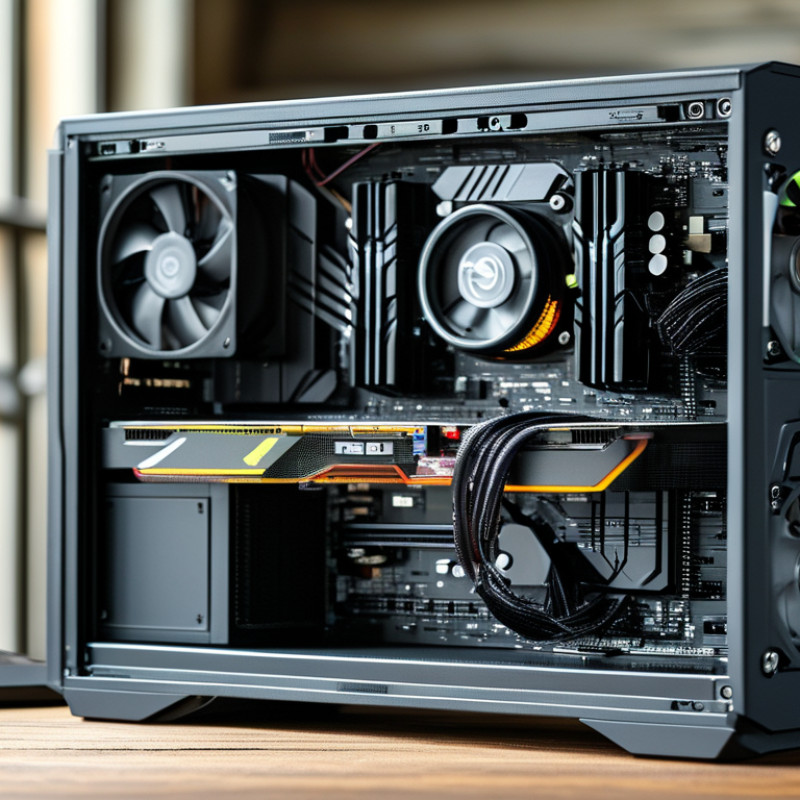
DDR4 has been a staple in the PC building community since its introduction in 2014. It typically operates at speeds ranging from 2133 MHz to 3600 MHz. Recent studies show that DDR4's bandwidth can hit approximately 25.6 GB/s at peak performance. This makes it a solid choice for mainstream gaming and everyday tasks. The architecture allows for lower latency and energy efficiency, which is crucial for mobile devices.
The memory technology uses a 288-pin DIMM form factor, compatible with most motherboards. With a voltage of 1.2V, DDR4 is more energy-efficient compared to its predecessor, DDR3, which operates at 1.5V. Reports indicate that around 52% of PC users still favor DDR4 for its reliability and adequate performance across various applications. However, many builders overlook its limitations in future-proofing. As software demands rise, DDR4 may struggle to keep pace.
It's essential to consider that while DDR4 still meets many users' needs, it may not support the latest advancements in gaming and processing. Users must reflect on their specific requirements and whether upgrading to DDR5 would provide significant benefits for future workloads. The evolving landscape of hardware demands careful thought when choosing memory options for any PC build.
DDR5 brings significant advancements over its predecessor, DDR4. One of the key innovations in DDR5 is its increased data transfer rate. DDR5 offers speeds starting at 4,800 MT/s, which can go as high as 8,400 MT/s or more. In contrast, DDR4 generally maxes out around 3,200 MT/s. According to industry reports, this improvement can lead to about 50% faster performance in memory-intensive tasks.
Moreover, DDR5 features an improved architecture. It introduces two independent 32-bit channels per module, compared to the single 64-bit channel in DDR4. This allows the memory to process more data simultaneously. A study by the JEDEC Solid State Technology Association suggests that this change enhances bandwidth efficiency significantly. Such advancements make DDR5 more suitable for applications like gaming, video editing, and data analysis.
However, some drawbacks must be considered. The availability of DDR5 modules is still limited. Prices can also be higher than those of DDR4 options. Additionally, not all motherboards support DDR5 yet, which complicates upgrades for many users. As the ecosystem for DDR5 matures, it’s essential to weigh these factors against the potential benefits.
When comparing DDR4 and DDR5 memory for gaming and applications, performance differences become apparent. DDR5 offers higher bandwidth and increased efficiency, which is ideal for resource-intensive tasks. Reports indicate that DDR5 can reach speeds of up to 8400 MT/s, surpassing DDR4's maximum of 3200 MT/s. This increase translates to noticeable improvements in gaming frame rates and application load times.
However, the real-world impact may vary. Some games and applications may not fully utilize DDR5's potential for now. A study by industry analysts revealed that while DDR5 shows strong performance in synthetic benchmarks, actual gaming experiences may not differ significantly for casual players using high-end DDR4. In essence, the upgrade might not be justified for everyone.
Tips: If you're an avid gamer, evaluate your current workflow. If you perform heavy multitasking or use demanding applications, DDR5 could be worth considering. On the other hand, if your tasks are moderate, DDR4 might still meet your needs. Monitor your system performance regularly and reflect on whether an upgrade aligns with your usage patterns. Upgrading isn't always linear; sometimes, more is not always better.
When considering an upgrade from DDR4 to DDR5 RAM, compatibility is a critical factor. DDR4 and DDR5 modules are not interchangeable. Each generation uses a different physical configuration, which means motherboards designed for DDR4 cannot accommodate DDR5 sticks. According to the JEDEC standards, DDR5 DIMMs feature a distinct pin layout that makes them incompatible with earlier versions. This incompatibility underscores the importance of ensuring your motherboard supports DDR5 before making any purchases.
Moreover, the upgrade path is heavily influenced by your CPU. Most current CPUs support either DDR4 or DDR5 but not both. Data from recent industry reports show that adopting DDR5 can yield significant performance benefits, such as increased bandwidth and reduced latency. However, if your chipset only supports DDR4, the benefits of higher speeds provided by DDR5 will remain untapped. Transitioning to DDR5 might also necessitate an entire platform upgrade, including CPU and motherboard, which could lead to higher costs. Evaluating whether this investment aligns with your computing needs is essential before proceeding.
When considering an upgrade to DDR5 RAM, cost is a key factor. DDR5 modules generally cost 20-40% more than DDR4 options. While you gain improved speed and efficiency, it's important to assess if the performance gains justify the investment. Reports indicate that DDR5 offers bandwidths up to 8400 MT/s, compared to DDR4's maximum of around 3200 MT/s. This means substantial gains in applications demanding high memory throughput, such as gaming and content creation.
However, not all users will benefit immediately from DDR5. Many existing systems and applications may not leverage the increased speeds. In everyday tasks, like browsing and streaming, DDR4 performance might suffice. The faster DDR5 speeds also depend on compatible hardware, which might push costs even higher.
Tip: Assess your current system requirements. If your tasks are less demanding, sticking with DDR4 could save you money without sacrificing performance.
Also, consider future-proofing. DDR5 is the trend for modern builds. Investment now might pay off later as software evolves to take advantage of its capabilities. Review your specific use case to make an informed choice.
| Feature | DDR4 | DDR5 |
|---|---|---|
| Maximum Data Rate | Up to 3200 MT/s | Up to 8400 MT/s |
| Latency (CL) | 16-22 | 30-40 |
| Power Consumption | 1.2V | 1.1V |
| Bandwidth | 25.6 GB/s | 64 GB/s |
| Cost (per GB) | ~$4 | ~$8 |
| Market Availability | Widely available | Increasing |
| Future Proofing | Limited | Higher potential |
: DDR5 offers significantly higher data transfer rates, starting at 4,800 MT/s and going up to 8,400 MT/s.
DDR5 has two 32-bit channels per module, allowing for more data processing simultaneously compared to DDR4's single channel.
Yes, DDR5 modules are limited in availability, typically more expensive, and not all motherboards support it.
DDR5's increased bandwidth and efficiency improve gaming frame rates and application load times.
Not always. Casual players may not notice significant differences compared to high-end DDR4.
DDR5 modules usually cost 20-40% more than DDR4, so consider if the performance justifies the price.
Many everyday tasks like browsing and streaming may not see improvements and can operate well on DDR4.
If you anticipate using demanding applications in the future, investing in DDR5 now may be wise.
Assess your current system performance and application demands to determine if an upgrade aligns with your usage.
Yes, for moderate tasks, DDR4 might sufficiently meet your needs without extra costs from upgrading.
The "DDR5 vs DDR4 comparison" highlights the key features and specifications of both memory types, showcasing the advancements DDR5 brings to the table, such as increased bandwidth and energy efficiency. While DDR4 has been the standard for many years, DDR5 introduces innovative technologies that enhance performance, particularly in gaming and demanding applications.
When considering an upgrade, it's essential to evaluate compatibility, as upgrading from DDR4 to DDR5 requires a compatible motherboard. Additionally, potential cost factors, including the current market price of DDR5, should be considered to determine if the investment is justified based on individual usage needs. Overall, this comparison aids users in making informed decisions regarding their PC upgrades.

Kryntel