As technology evolves, the need for faster, more efficient memory becomes crucial. This is where DDR5 enters the spotlight. How DDR5 improves performance is a topic of great interest to both gamers and professionals. With its higher bandwidth and increased capacity, DDR5 promises to revolutionize computing.
DDR5 can provide twice the data rate of its predecessor, DDR4. This improvement offers significant advantages for multitasking and rendering. Users can expect smoother frame rates in games and quicker load times for applications. The architecture of DDR5 allows for more data to be processed simultaneously, boosting overall system performance.
However, the transition to DDR5 isn’t without challenges. Cost is a concern for many. Not all motherboards support DDR5. Users might need to invest in new hardware for the full benefits. While DDR5 offers impressive improvements, careful consideration is necessary. Potential adopters should weigh the benefits against their specific needs and current setups.
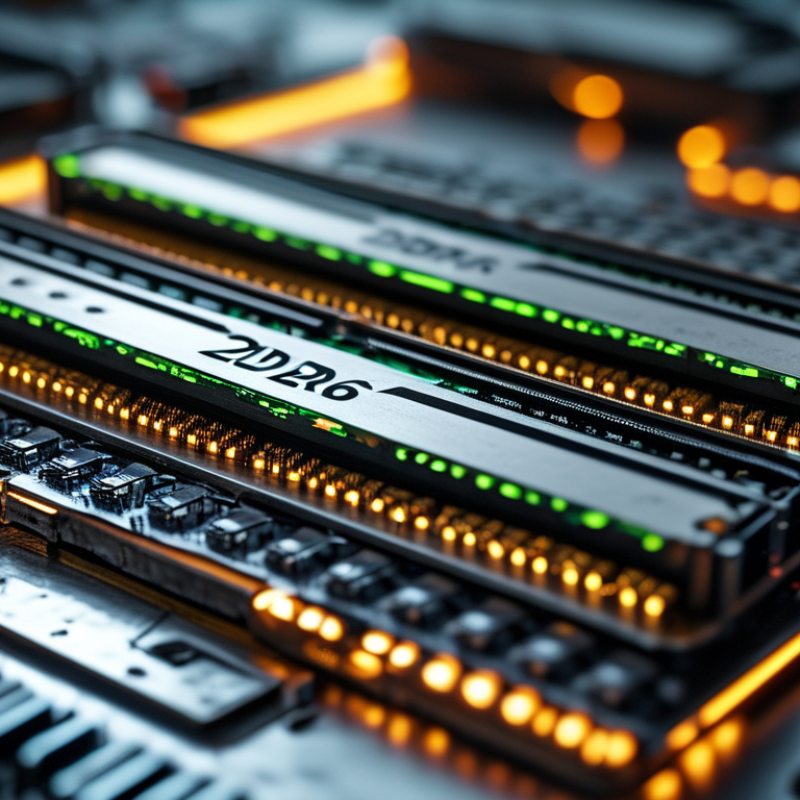
Overview of DDR5 Technology and Its Advancements
DDR5 technology represents a significant leap forward in memory performance. It offers faster data rates, improved bandwidth, and increased efficiency. Recent reports show DDR5 can provide up to 1.6x the bandwidth of DDR4, peaking at 6400 MT/s. This scalability is crucial for applications demanding high-speed data processing, such as gaming, content creation, and AI training.
Another advancement is the enhanced power management features of DDR5. With on-die ECC (Error-Correcting Code), DDR5 promotes stability by correcting data errors on-the-fly. Studies indicate that this can lead to lower power consumption by up to 30%, which directly translates into longer battery life for mobile devices.
Tip: Assess your use case carefully. DDR5 might not be necessary for casual tasks. For gamers and content creators, its advantages become more evident as performance metrics improve.
However, there are considerations. Migration from DDR4 to DDR5 requires motherboard support. Not all current systems can upgrade. This could lead to unexpected costs for users. Balancing benefits against potential expenses is vital for decision-making.
Key Performance Enhancements Offered by DDR5
DDR5 technology brings significant performance enhancements for modern computing. Firstly, it offers increased bandwidth, doubling the capacity of its predecessor. This allows for faster data transfers, essential for high-demand applications like gaming and professional design software.
Additionally, DDR5 utilizes improved memory management techniques. These techniques reduce latency, leading to quicker response times. Enhanced memory density supports larger capacities, which is crucial for data-intensive processes. As applications evolve, the demand for greater memory efficiency rises.
However, transitioning to DDR5 may pose challenges. Older systems require upgrades to fully leverage its benefits. Users must also consider compatibility issues with existing hardware. For many, adopting new technology can feel daunting. Despite these hurdles, the advantages of DDR5 can lead to notable gains in computing performance.
Impact of DDR5 on Gaming and High-Performance Computing
As gaming and high-performance computing (HPC) continue to evolve, DDR5 memory presents a significant leap in performance. Industry reports indicate that DDR5 offers double the bandwidth of its predecessor, reaching speeds up to 8400 MT/s. This increase means quicker data access and processing, crucial for modern gaming that demands high frame rates and efficient multitasking.
In gaming, higher bandwidth allows for smoother graphics and reduced latency. A study by JEDEC found that systems with DDR5 can enhance frame rates by 20-30% in demanding titles. This improvement enables gamers to experience ultra settings and higher resolutions without noticeable lag. Additionally, the improved power efficiency of DDR5 is noteworthy. It operates at lower voltage levels, which can lead to less heat generation in intense gaming sessions.
Despite these advancements, adopting DDR5 isn’t without challenges. Compatibility issues with older hardware can be a barrier for some users. Furthermore, for many budget-conscious gamers, the price of DDR5 may not justify the performance gain. While the benefits are clear, users need to weigh these factors carefully. Enhanced performance comes with considerations that may impact their overall experience.
Comparative Analysis: DDR4 vs. DDR5 Performance
The shift from DDR4 to DDR5 memory offers notable enhancements in performance. DDR5, with its higher speeds and increased bandwidth, allows users to experience quicker data processing. This advantage is crucial for applications demanding intense data transfers, such as gaming and video editing. In contrast, DDR4, while stable, struggles to keep pace with modern performance needs.
One stark difference lies in the bandwidth capacity. DDR5 can deliver more than double what DDR4 offers. This benefit enables smoother multitasking and improved overall system responsiveness. However, the full potential of DDR5 might not be realized in all scenarios. Some older workloads may not leverage the increased speeds effectively, leading to diminishing returns in those cases.
Latency is another area where DDR5 shows both promise and challenge. Although it may introduce slightly higher latency compared to DDR4, the overall performance boost often outweighs this drawback. Users must consider their specific use cases. Balancing between cost and performance is essential. The choice of memory should reflect the intended application and overall system configuration.
Future Trends and Potential Developments in DDR5 Technology
The future of DDR5 technology looks bright, with several emerging trends poised to redefine its impact on performance. One notable development is the increased bandwidth capabilities of DDR5. This allows for faster data processing, crucial for applications like gaming, AI, and data analytics. Enhanced speeds lead to smoother experiences and quicker load times, essential in competitive environments.
Another trend is the focus on energy efficiency. As devices become more powerful, the demand for lower energy consumption grows. DDR5 incorporates features that reduce power usage, making it more sustainable. These advancements are particularly valuable in mobile devices, where battery life is critical. However, achieving this balance between performance and efficiency remains a challenge.
Moreover, as DDR5 matures, latency reduction continues to be a priority. Initial implementations showed some latency issues. Designers aim to fine-tune these aspects for improved responsiveness. The interplay between performance improvements and latency needs careful consideration. Users might notice subtle differences that affect their experience. Keeping pace with these developments will require ongoing research and adaptation in the tech community.
FAQS
: DDR5 represents an advancement in memory performance, providing faster data rates and improved bandwidth.
DDR5 can provide up to 1.6x the bandwidth of DDR4, peaking at 6400 MT/s.
DDR5's power management features can lead to 30% lower power consumption, promoting longer battery life.
DDR5 may not be needed for casual tasks, but it shows clear benefits for gamers and content creators.
Migration requires motherboard support. Not all systems can upgrade, leading to potential unexpected costs.
DDR5 can enhance frame rates by 20-30%, enabling gamers to enjoy ultra settings with less lag.
DDR5 operates at lower voltage levels, leading to less heat during intense gaming sessions.
Yes, DDR5 may have compatibility issues with older hardware, which can be a barrier for some users.
Budget gamers should consider if the performance gain of DDR5 justifies the cost, as it might not be worth it.
Users need to weigh the performance benefits against the potential costs and compatibility challenges before upgrading.
Conclusion
The article "2026 Best DDR5 Benefits for Performance Improvement" explores the advancements in DDR5 technology and the significant performance enhancements it offers. Key improvements include higher bandwidth and improved data rates, which directly contribute to enhanced system responsiveness and efficiency. A detailed comparison with its predecessor, DDR4, highlights considerable gains in speed and latency reduction, making DDR5 particularly advantageous for gaming and high-performance computing applications.
How DDR5 improves performance extends beyond raw speed; it also introduces features like increased burst lengths and lower power consumption, which collectively enhance the overall computing experience. Looking ahead, future trends and developments in DDR5 technology suggest ongoing innovations that will further optimize performance, making it a crucial component for next-generation computing systems.

 Kryntel